Discover essential video lighting techniques to elevate your video production quality. This guide covers everything from basic setups to advanced techniques, ensuring you have the knowledge to create stunning visuals.
Understanding Video Lighting
The Importance of Lighting in Video Production
Lighting is one of the most critical aspects of video production. It can dramatically affect the mood, tone, and overall quality of your footage. Proper lighting techniques can enhance the visual appeal of your videos, making them more engaging for your audience. Poor lighting, on the other hand, can result in unprofessional-looking content that fails to capture viewer interest.
Key Lighting Concepts
To master video lighting techniques, it’s essential to understand some key lighting concepts:
- Exposure: The amount of light that reaches the camera sensor. Proper exposure is necessary for achieving clear and vibrant images.
- Color Temperature: The warmth or coolness of light, measured in Kelvin (K). Different light sources have varying color temperatures that can affect the look of your video.
- Light Direction: The angle from which light hits your subject can create different effects, influencing shadows and highlights.
Types of Lighting Sources
There are various types of lighting sources used in video production, each serving different purposes:
- Natural Light: Sunlight can be an excellent source of illumination, especially for outdoor shoots.
- LED Lights: Energy-efficient and versatile, LED lights are increasingly popular for their adjustable brightness and color temperature.
- Incandescent Lights: These traditional bulbs provide warm light but can generate heat and consume more energy.
Best Lighting for Video
Natural vs. Artificial Lighting
Choosing between natural and artificial lighting depends on your filming environment and the desired effect. Natural light is free and can provide a beautiful, soft illumination, but it is also unpredictable. Artificial lighting, such as LED lights and softboxes, offers more control and consistency.
LED Lights for Video Production
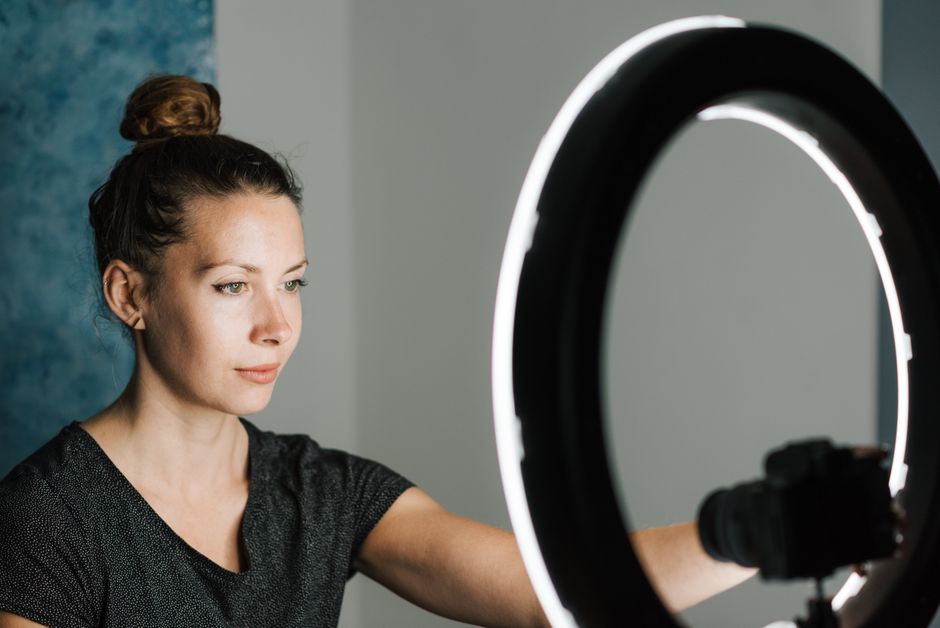
LED lights have become a staple in the industry due to their flexibility and efficiency. They are available in various shapes and sizes, making them suitable for different setups. Additionally, many LED lights come with adjustable color temperatures, allowing for seamless integration with existing lighting conditions.
Softboxes and Diffusers
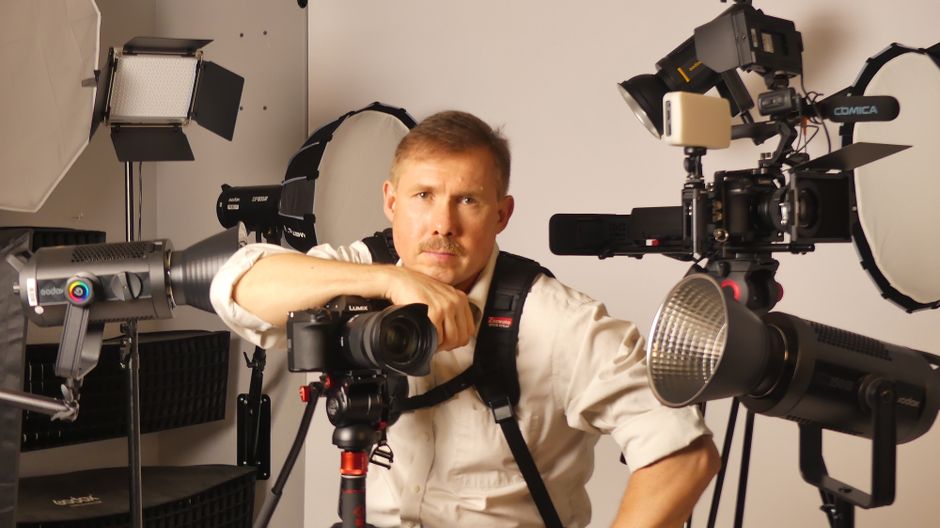
Softboxes and diffusers are essential tools for creating soft, even lighting. They help to reduce harsh shadows and provide a more flattering light on your subjects. Using softboxes can dramatically enhance the quality of your videos, making them appear more professional.
Basic Lighting Setups
Three-Point Lighting Technique
The three-point lighting technique is a foundational lighting setup used in various video formats. It consists of three light sources:
- Key Light: The main light source that illuminates the subject.
- Fill Light: A secondary light that softens shadows created by the key light.
- Backlight: Positioned behind the subject to create depth and separation from the background.
Lighting for Interviews
When lighting for interviews, the three-point lighting setup is often ideal. It helps to create a polished and professional look, ensuring that the subject is well-lit and stands out against the background. Consider the background lighting as well, as it can add context and visual interest to the shot.
Lighting for Talking Head Videos
For talking head videos, maintaining a consistent and flattering lighting setup is crucial. Using soft diffused light can help minimize shadows and create a more engaging viewing experience. Ensure the light is directed at eye level for the best results.
Advanced Lighting Techniques
Using Backlighting for Depth
Backlighting can add dimension to your shots, creating a sense of depth. By placing a light source behind your subject, you can create a halo effect that enhances visual interest and separates the subject from the background.
Color Temperature and White Balance
Understanding color temperature and white balance is vital for achieving accurate colors in your videos. Different lighting sources emit different color temperatures, and adjusting your camera settings accordingly can ensure that your footage looks natural.
Creative Lighting Effects
Don’t be afraid to experiment with creative lighting setups. Using colored gels, patterns, or unique angles can add flair to your visuals. Creative lighting effects can help tell your story and engage your audience on a deeper level.
Common Lighting Mistakes to Avoid
Overexposure and Underexposure
One of the most common mistakes in video lighting is failing to achieve proper exposure. Overexposed footage can appear washed out, while underexposed footage can lose detail in shadows. Always monitor your exposure levels during filming.
Harsh Shadows
Harsh shadows can detract from the quality of your video. To avoid this, use diffusers and softboxes to create softer light. Additionally, positioning your lights at different angles can help reduce the intensity of shadows.
Ignoring Background Lighting
Neglecting background lighting can result in a flat look. Consider adding lights to your background to create depth and interest. Proper background lighting can enhance the overall aesthetic of your video.
Lighting Setups for Filming
Setup for Product Videos
When shooting product videos, it’s essential to showcase the details of the product. A combination of soft lighting and strategic angles can help highlight features. Use a light tent or softbox to create even illumination that minimizes reflections.
Lighting for Live Streaming
Live streaming requires consistent lighting to ensure a professional appearance. Use multiple light sources to fill shadows and create a balanced look. Consider your background as well, and use lights to draw attention to key elements within your frame.
On-Location Lighting Tips
Shooting on location presents unique lighting challenges. Always scout your location ahead of time to understand the available light sources. Bringing portable lighting equipment, such as LED panels, can help you adapt to changing conditions.
Conclusion
Mastering video lighting techniques can significantly enhance the quality of your video productions. By applying the principles and setups outlined in this guide, you can create visually compelling content that engages your audience. For further insights, consider exploring Video Recording Tips for Professionals to elevate your video production skills even more.
Perguntas frequentes
What are the basic video lighting techniques?
Basic video lighting techniques include three-point lighting, which consists of a key light, fill light, and back light. This setup helps create depth and dimension in your shots.
How does three-point lighting work?
Three-point lighting involves positioning the key light to illuminate the subject, the fill light to reduce shadows, and the back light to separate the subject from the background. This arrangement enhances the overall visual quality.
What is the role of color temperature in video lighting?
Color temperature affects the mood and tone of your video. It is measured in Kelvin; lower temperatures create warm tones, while higher temperatures produce cool tones.
How can I achieve soft lighting for my videos?
Soft lighting can be achieved by using diffusers or softboxes to scatter light and reduce harsh shadows. This technique is ideal for creating a flattering look on subjects.
What are practical lights and how are they used?
Practical lights are visible light sources within the frame, such as lamps or candles. They add realism and depth to a scene while also providing additional illumination.
Why is lighting important in video production?
Lighting is crucial as it sets the mood, enhances visual storytelling, and ensures the subject is clearly visible. Poor lighting can detract from the overall quality of the video.
What equipment is essential for video lighting?
Essential video lighting equipment includes LED lights, softboxes, reflectors, and light stands. These tools help you control light direction and intensity effectively.
How can I control shadows in my video lighting setup?
To control shadows, adjust the position and intensity of your lights, and consider using fill lights to soften or eliminate harsh shadows. Experimenting with angles can also yield better results.
Recording with a script? Try Lumi.
Keep your script near the camera and out of your final video. Try free for 3 days.
Learn more