Discover the essential tips and setups for achieving the best lighting for video production. Whether you’re a content creator, educator, or marketer, mastering lighting will enhance your video quality significantly.
Understanding the Importance of Lighting
Why Lighting Matters in Video Production
Lighting plays a crucial role in video production. Good lighting not only sets the mood and tone of your video but also ensures that the subject is clearly visible, enhancing viewer engagement. Lighting can dramatically change the perception of your footage, influencing how audiences interpret the content. When the lighting is done right, it can make even the most basic setups look professional.
Impact of Lighting on Video Quality
The best lighting for video helps create a visually appealing and professional-looking final product. Poor lighting can lead to shadows, grainy footage, and an overall unpolished appearance. On the other hand, proper lighting can enhance colors, provide depth, and bring out details that would otherwise be lost. Investing time in understanding lighting will pay off in the quality of your videos.
Types of Lighting for Video
Natural Light
Natural light can be one of the best lighting sources for video production, especially if you’re filming indoors during the day. Utilizing windows allows you to take advantage of soft, diffused light. However, it’s important to control natural light to prevent harsh shadows and overexposure. Consider using curtains or reflectors to soften the light further.
Artificial Light
Artificial lights provide flexibility in your lighting setup, allowing you to create the desired look regardless of the time of day. Options include LED panels, fluorescent lights, and tungsten lights. Each type of artificial light has its unique qualities and can be used to achieve different effects.
Continuous vs. Strobe Lighting
When choosing lighting for video, you’ll encounter two main types: continuous and strobe lighting. Continuous lights are always on, making it easy to see how they affect the shot. Strobe lights, on the other hand, flash and are often used in photography but can be adapted for video as well. Continuous lighting is generally more user-friendly for video production.
Best Lighting Setups for Filming
Three-Point Lighting Setup
The three-point lighting setup is a classic technique used in video production. It involves three lights: a key light, fill light, and back light. The key light provides the main illumination, the fill light softens shadows, and the back light adds depth by separating the subject from the background. This setup is versatile and works well for interviews, tutorials, and many other types of videos.
Softbox Lighting Setup
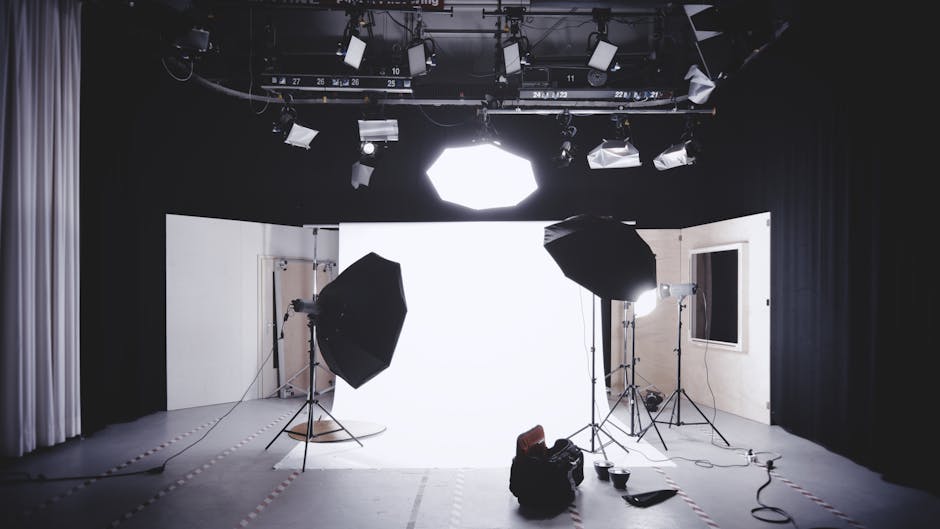
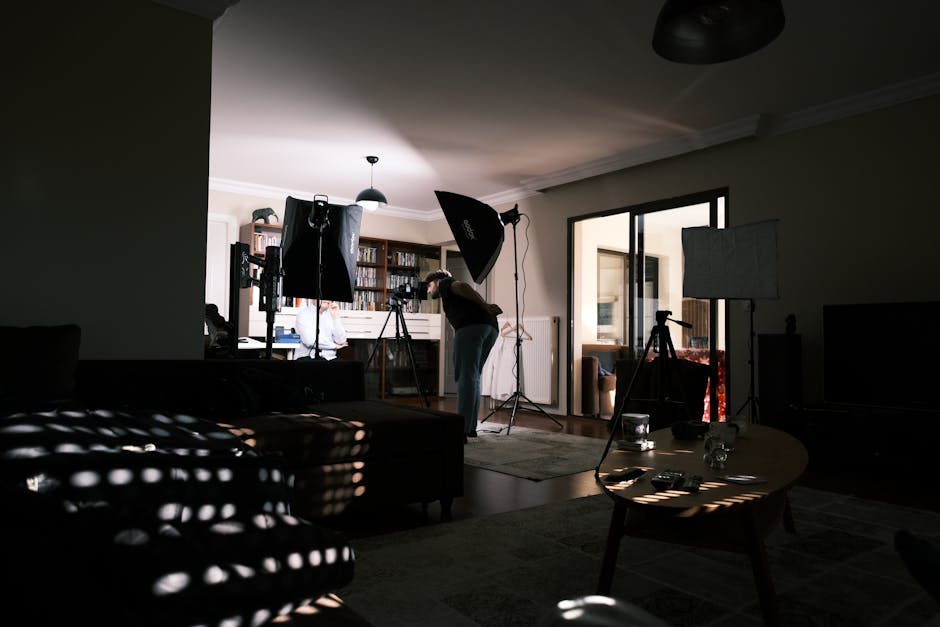
Softbox lights diffuse the light to create a soft, even illumination that is flattering for most subjects. This setup is particularly useful for interview settings, as it minimizes harsh shadows and highlights. Softboxes can be paired with other lighting sources for a more comprehensive setup.
Ring Light Setup
A ring light setup is popular among vloggers and beauty content creators. The circular shape of the light provides even illumination around the subject’s face, reducing shadows and highlighting features. This setup is especially effective for close-up shots and can be used in various environments.
Choosing the Right Equipment
Key Lighting Tools
When selecting equipment for the best lighting for video, consider investing in key lighting tools such as LED panels, softboxes, reflectors, and light stands. Each tool serves a purpose and, when combined effectively, can elevate your video production quality.
Budget-Friendly Lighting Options
You don’t need to break the bank to achieve great lighting. There are many budget-friendly options available, such as affordable LED lights and DIY solutions using household items. Even simple lamps can be used creatively to enhance your lighting setup.
Advanced Lighting Gear
For those looking to take their video production to the next level, advanced lighting gear such as professional-grade LED lights, light modifiers, and gels can be worth the investment. These tools offer greater control over lighting quality and effects, allowing for more creative freedom.
Lighting Techniques for Different Scenarios
Lighting for Interviews
When lighting interviews, the goal is to create a flattering and comfortable environment for the subject. A three-point lighting setup is often ideal, ensuring that the interviewee is well-lit without harsh shadows. Pay attention to the background as well, ensuring it’s not too distracting.
Lighting for Tutorials
For tutorial videos, clear visibility of the subject and materials is crucial. Use soft lighting to avoid glare on surfaces and ensure colors are accurately represented. A combination of overhead lights and task lights can work effectively for this type of content.
Lighting for Vlogs
Vlogging often requires adaptability, as the lighting conditions can change quickly. Utilize natural light when possible, but always have portable lighting solutions, like ring lights or battery-operated LEDs, on hand to ensure you can maintain consistent quality in various environments.
Common Mistakes to Avoid
Overexposure and Underexposure
One of the most common mistakes in video lighting is failing to properly expose the shot. Overexposed footage can appear washed out, while underexposed footage may lack detail. Always check your camera settings and adjust the lighting accordingly to achieve the right exposure.
Ignoring Background Lighting
Background lighting is just as important as lighting the subject. Neglecting it can result in flat and uninteresting shots. Consider adding ambient lighting or practical lights in the background to create depth and interest in your videos.
Neglecting Color Temperature
Different light sources have varying color temperatures, which can affect the overall look of your video. Mixing different types of lights without considering their color temperature can lead to an unbalanced appearance. Aim to use lights with similar color temperatures to create a cohesive look.
Tips for Achieving Professional Lighting
Using Reflectors and Diffusers
Reflectors and diffusers are valuable tools for controlling light. Reflectors bounce light onto the subject, filling in shadows, while diffusers soften harsh light. Incorporating these tools can help you achieve a more professional lighting setup without needing expensive equipment.
Adjusting Lighting for Skin Tones
When lighting people, it’s essential to consider skin tones. Different skin tones can reflect light differently, so adjust your lighting accordingly to ensure that everyone looks their best on camera. Experiment with angles and distances to find the most flattering setup.
Experimenting with Angles and Shadows
Don’t be afraid to experiment with different angles and shadows to create a unique look for your videos. Changing the position of your lights can dramatically alter the mood and feel of your footage. Play around with shadows to add depth and interest to your shots.
Conclusion
Mastering the best lighting for video is crucial for creating high-quality content. By understanding different lighting types, setups, and techniques, you can elevate your video production and engage your audience more effectively. For more tips on video production, check out our guide on Video Recording Tips for Professionals.
Perguntas frequentes
What is the best lighting for video production?
The best lighting for video production typically includes a combination of key lights, fill lights, and backlights. LED lights are popular for their versatility and low heat output, while softboxes can help diffuse harsh light for a more flattering look.
How important is lighting in video creation?
Lighting is crucial in video creation as it sets the mood and can significantly affect the overall quality. Proper lighting helps to enhance colors, reduce shadows, and ensure that subjects are well-lit and visually appealing.
What types of lights are recommended for beginners?
Beginners should consider using LED panel lights, softboxes, and ring lights for their ease of use and affordability. These options provide adjustable brightness and color temperature, making them suitable for various shooting conditions.
How can I achieve soft lighting for video?
To achieve soft lighting, use diffusers or softboxes to spread light evenly and reduce harsh shadows. Positioning lights further away from the subject and bouncing light off walls can also create a softer effect.
What is three-point lighting and how does it work?
Three-point lighting is a technique that uses three different lights: a key light, a fill light, and a backlight. This setup creates depth and dimension, ensuring that the subject is well-lit and visually engaging.
Can natural light be used for video lighting?
Yes, natural light can be effectively used for video lighting, especially during the golden hour when the light is softer. However, it can be unpredictable, so it’s essential to have additional lighting options as a backup.
What should I consider when setting up lighting for interviews?
Consider the interviewee’s position, background, and the overall mood you want to convey. Use a combination of key and fill lights to ensure the subject is well-lit, while also avoiding harsh shadows.
How do I balance different light sources for video?
To balance different light sources, match their color temperatures and adjust their intensities accordingly. Use a color meter or your camera’s white balance settings to ensure a consistent look across all lighting.
Recording with a script? Try Lumi.
Keep your script near the camera and out of your final video. Try free for 3 days.
Learn more