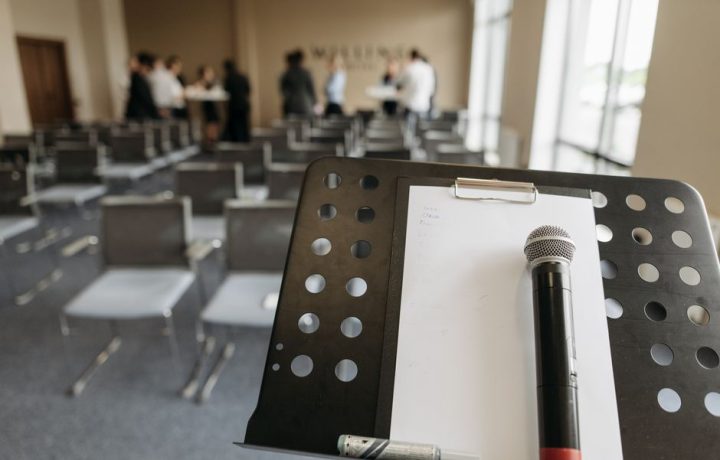
Anxiety can be a significant barrier for content creators and public speakers alike. In this guide, we will explore effective tips for reducing anxiety, particularly in the context of video production and public speaking. Whether you are a marketer, educator, or video producer, these strategies can help you enhance your confidence and performance.
Understanding Anxiety in Public Speaking
Public speaking is a common source of anxiety for many individuals. Understanding the root causes and effects of this anxiety is crucial for anyone looking to improve their speaking abilities.
Common Causes of Anxiety
There are several reasons why individuals may experience anxiety when speaking in public:
- Fear of Judgement: Worries about how the audience will perceive you can create significant anxiety.
- Perfectionism: The desire to deliver a flawless performance can heighten stress levels.
- Lack of Experience: Inexperienced speakers often feel more anxious due to uncertainty about their abilities.
The Impact of Anxiety on Performance
Anxiety can severely impact performance, leading to:
- Difficulty concentrating on the message.
- Physical symptoms such as shaking or sweating.
- Negative self-talk that can undermine confidence.
Signs and Symptoms of Anxiety
Recognizing the signs of anxiety can help individuals address them more effectively. Common symptoms include:
- Racing heart or palpitations.
- Dry mouth or difficulty swallowing.
- Muscle tension or shaking.
Preparation Techniques to Reduce Anxiety
Preparation is a fundamental aspect of reducing anxiety when it comes to public speaking. Here are some effective techniques:
Researching Your Topic Thoroughly
Having a deep understanding of your topic can boost your confidence. It allows you to answer questions and engage with the audience more comfortably. Consider using resources like Public Speaking Mastery to enhance your knowledge.
Practicing with Teleprompter Apps
Teleprompter apps can help you practice your speech in a controlled manner, allowing you to focus on delivery rather than memorization.
Creating a Structured Outline
A well-structured outline acts as a roadmap for your presentation. It can help you stay on track and manage your time effectively, reducing the chances of feeling overwhelmed.
Mindfulness and Relaxation Strategies
Incorporating mindfulness and relaxation techniques into your routine can help manage anxiety levels.
Deep Breathing Exercises
Deep breathing exercises can help calm the mind and body. Practice inhaling deeply through your nose, holding for a few seconds, and exhaling slowly through your mouth.
Visualization Techniques
Visualization involves imagining yourself delivering a successful presentation. This mental rehearsal can help reduce anxiety and build confidence.
Meditation Practices
Regular meditation can significantly lower anxiety levels by promoting relaxation and focus. Even a few minutes a day can make a difference.
Building Confidence in Public Speaking
Confidence is key in public speaking. Here are some strategies to help you build it:
Starting with Smaller Audiences
Begin by speaking to smaller, more familiar groups. As you gain experience, gradually increase your audience size to build confidence.
Receiving Constructive Feedback
Feedback from trusted peers can help you improve while also boosting your confidence. Use this feedback to refine your skills.
Using Positive Affirmations
Positive affirmations can shift your mindset from self-doubt to self-assurance. Repeating phrases like “I am a confident speaker” can reinforce a positive self-image.
Utilizing Technology to Manage Anxiety
Technology can be a valuable ally in managing anxiety during presentations. Here are some tools to consider:
Teleprompter Apps for Smooth Delivery
Using teleprompter apps can facilitate smoother delivery by providing you with a script that keeps you on track.
Video Production Tools to Enhance Comfort
Invest in video production tools that make you feel comfortable and prepared. Familiarizing yourself with the equipment can ease anxiety related to technology failures.
Using Recording to Self-Evaluate
Recording your practice sessions allows you to evaluate your performance critically. This self-assessment can help you identify strengths and areas for improvement.
Post-Presentation Reflection
After your presentation, it’s essential to reflect on your performance:
Analyzing Your Performance
Take time to review what went well and what could be improved. This analysis will help you grow as a speaker.
Identifying Areas for Improvement
Focus on specific aspects of your delivery that you can enhance for future presentations. Continuous improvement is vital for building confidence.
Celebrating Successes
Don’t forget to celebrate your achievements, no matter how small. Acknowledging your progress reinforces a positive mindset.
Conclusion
Reducing anxiety is a journey that requires practice and patience. By implementing these tips for reducing anxiety, content creators and public speakers can significantly enhance their confidence and effectiveness. Remember, each presentation is an opportunity for growth.
Perguntas frequentes
What are some effective tips for reducing anxiety?
Practicing mindfulness and meditation can significantly lower anxiety levels. Regular exercise, maintaining a balanced diet, and ensuring adequate sleep also contribute to better mental health.
How can breathing exercises help with anxiety?
Breathing exercises can help calm the mind and body by activating the body’s relaxation response. Focusing on deep, slow breaths can reduce feelings of panic and promote a sense of control.
What role does physical activity play in managing anxiety?
Engaging in regular physical activity releases endorphins, which are natural mood lifters. Exercise also helps reduce muscle tension and improve overall well-being.
Can social support help reduce anxiety?
Having a strong support system can provide comfort and reassurance during stressful times. Talking to friends or family about feelings can help alleviate anxiety and foster a sense of belonging.
Are there specific relaxation techniques that are beneficial for anxiety?
Techniques such as progressive muscle relaxation and guided imagery can help ease tension and promote relaxation. These methods encourage a focus on the present moment and can quickly alleviate anxious feelings.
How important is a healthy diet in reducing anxiety?
A healthy diet plays a crucial role in mental health, as certain nutrients can affect mood and anxiety levels. Foods rich in omega-3 fatty acids, antioxidants, and vitamins are particularly beneficial.
What lifestyle changes can help manage anxiety more effectively?
Incorporating routines that prioritize self-care, such as setting aside time for hobbies or relaxation, can significantly reduce anxiety. Limiting caffeine and alcohol intake can also improve overall mental health.
How can journaling assist in managing anxiety?
Journaling allows individuals to express their thoughts and feelings, which can provide clarity and relief. Writing about anxiety triggers can help identify patterns and develop coping strategies.
Recording with a script? Try Lumi.
Keep your script near the camera and out of your final video. Try free for 3 days.
Learn more