Building on-camera confidence is crucial for content creators, public speakers, and educators. This guide provides practical tips to enhance your presence and reduce anxiety while using teleprompters. Mastering the skill of on-camera confidence can transform the way you communicate, allowing you to engage better with your audience and deliver your message effectively.
Understanding On-Camera Confidence
What is On-Camera Confidence?
On-camera confidence refers to the ability to present yourself effectively in front of a camera, whether during live broadcasts, video recordings, or virtual meetings. It encompasses a range of skills, including vocal modulation, body language, and the ability to engage with the audience, all while overcoming the natural apprehensions that come with being in front of a camera. This confidence is essential for delivering clear and impactful messages that resonate with viewers.
Importance for Presenters and Creators
For presenters and creators, on-camera confidence can significantly influence the success of their communication. A confident presenter is more likely to capture the audience’s attention, convey messages with clarity, and create a memorable experience. This can lead to higher engagement rates, increased followers, and overall improved effectiveness in their respective fields. Moreover, demonstrating confidence can establish credibility, allowing presenters to connect more authentically with their audience.
Key Confidence Tips for Presenters
Preparation and Practice
Preparation is the cornerstone of building on-camera confidence. It involves understanding your material thoroughly and knowing the key points you want to convey. Practicing your delivery multiple times not only helps you become familiar with the content but also allows you to refine your presentation style. Consider rehearsing in front of a mirror or recording yourself to identify areas for improvement. The more prepared you feel, the more confident you will be on camera.
Positive Visualization Techniques
Visualization is a powerful tool that can enhance your on-camera confidence. Before your presentation, take a moment to close your eyes and visualize yourself performing successfully. Picture yourself speaking clearly, engaging with the audience, and receiving positive feedback. This mental rehearsal can help reduce anxiety and set a positive tone for your actual performance. It allows you to mentally equip yourself to face the camera with poise and assurance.
Breathing Exercises to Calm Nerves
Breathing exercises are an effective way to manage anxiety before going on camera. Deep, slow breaths can help calm your nervous system and center your thoughts. Try inhaling for a count of four, holding for four, and exhaling for four. Repeat this several times to reduce tension and promote relaxation. Incorporating these exercises into your routine can help you feel more grounded and confident when it’s time to present.
Mastering Body Language with Teleprompters
The Role of Body Language in Communication
Body language plays a crucial role in communication, especially on camera. It can convey emotions, emphasize points, and engage the audience. Being aware of your posture, gestures, and facial expressions can enhance your message and keep viewers interested. A confident stance, open gestures, and a genuine smile can significantly improve how your message is received. When using teleprompters, it’s essential to maintain a natural demeanor that complements your spoken words.
Using Gestures Effectively
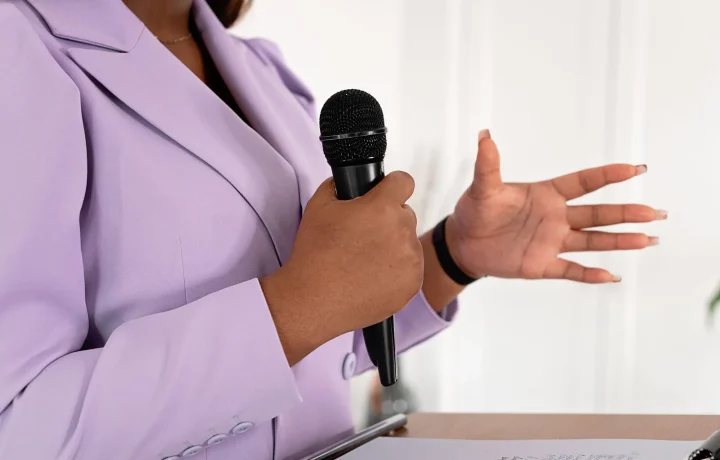
Gestures can be powerful tools to emphasize key points during your presentation. However, it’s important to use them effectively. Practice using gestures that feel natural to you and complement your messaging. Avoid over-exaggerated movements, as they can distract from your words. Instead, use subtle gestures to enhance your narrative, making your presentation more dynamic and engaging. Remember, the goal is to appear confident and relatable while delivering your content.
Maintaining Eye Contact with the Audience
Maintaining eye contact with your audience, even when using a teleprompter, is essential for establishing a connection. It conveys confidence and helps engage viewers. Practice looking at the camera as if you are speaking directly to someone. This creates intimacy and encourages viewers to pay attention. You can also use techniques like shifting your gaze between the camera and your notes to maintain a natural flow while still keeping the audience engaged.
Overcoming Anxiety When Presenting
Identifying Triggers of Anxiety
Understanding what triggers your anxiety when presenting is the first step in overcoming it. Common triggers may include fear of judgment, lack of preparation, or past negative experiences. By identifying these triggers, you can develop strategies to address them. For instance, if you feel anxious about forgetting your lines, practicing extensively can help mitigate that fear. Recognizing your triggers allows you to create a more tailored approach to boosting your confidence.
Strategies to Manage Stage Fright
Managing stage fright involves a combination of mindset shifts and practical techniques. One effective strategy is to reframe your perspective on presenting; instead of viewing it as a performance, consider it an opportunity to share valuable information with your audience. Additionally, engaging in positive self-talk and reminding yourself of past successes can help diminish feelings of fear. Remember, even experienced presenters feel nervous at times, and acknowledging this can empower you to push through.
The Power of Rehearsal
Rehearsing your presentation multiple times can significantly reduce anxiety and improve confidence. The more familiar you are with your material, the less likely you are to feel overwhelmed on stage. Try rehearsing in various settings, including in front of friends or family, to simulate the presentation environment. This practice not only builds familiarity but also allows you to receive constructive feedback for improvement. The power of rehearsal cannot be overstated; it’s a critical component of developing on-camera confidence.
Practicing with Teleprompters
How to Use Teleprompters Effectively
Using teleprompters can enhance your presentation but requires practice to use effectively. Start by familiarizing yourself with the teleprompter’s functionality, such as adjusting speed and font size to ensure you can read comfortably. Practice delivering your content while maintaining a natural tone and pace. The key is to integrate the teleprompter seamlessly into your presentation, allowing you to focus on your delivery rather than the script.
Integrating Confidence Techniques
As you practice with teleprompters, it’s vital to incorporate the confidence techniques discussed earlier. Use positive visualization before your practice sessions, and engage in breathing exercises to remain calm. Additionally, focus on your body language and gestures while reading from the teleprompter, ensuring they enhance rather than hinder your message. This holistic approach will bolster your confidence and improve your overall presentation skills.
Recording and Reviewing Your Performance
Recording your practice sessions can provide invaluable insights into your performance. Watching these recordings allows you to identify areas for improvement, such as pacing, articulation, and body language. Take notes on what worked well and what needs adjustment. This self-review process is crucial for building on-camera confidence, as it provides a clear picture of your progress and areas for growth. Ultimately, you will become a more polished presenter.
Real-Life Success Stories
Interviews with Confident Presenters
Learning from the experiences of others can be incredibly motivating. Many successful presenters have faced similar challenges regarding on-camera confidence. Interviews with these individuals often reveal common strategies they employed to overcome their fears and improve their skills. They emphasize the importance of practice, feedback, and the willingness to learn from mistakes. These success stories can serve as inspiration as you embark on your journey toward greater confidence.
Lessons Learned from Experienced Creators
Experienced creators often share valuable lessons from their journeys, highlighting the significance of resilience and adaptability. They recognize that building on-camera confidence is a process that takes time and effort. Many stress the importance of consistency in practice and remaining open to feedback as key components of their growth. By learning from their experiences, you can adopt their strategies and avoid common pitfalls, accelerating your development as a confident presenter.
Resources for Further Improvement
Books and Courses on Public Speaking
If you’re looking to deepen your understanding of public speaking and on-camera confidence, numerous books and online courses are available. These resources often cover essential techniques, strategies, and tips to enhance your skills. By investing your time in these materials, you can gain valuable insights and learn practical skills that can significantly improve your presentations.
Online Communities and Support Groups
Joining online communities and support groups can be beneficial for those seeking to improve their public speaking skills. These forums provide a platform to connect with like-minded individuals, share experiences, and receive constructive feedback. Engaging with others can offer encouragement, accountability, and a sense of belonging as you work on building your confidence.
Conclusion
On-camera confidence is a skill that can be developed with practice and the right techniques. By implementing these tips, including preparation, visualization, and mastering body language, you can enhance your presence and make a lasting impact as a presenter. Remember that confidence is not an inherent trait but a learned behavior, achievable through consistent effort and dedication. Embrace the journey, and don’t hesitate to explore resources and communities that can support your growth in this area. Start practicing today, and watch your on-camera confidence soar!
Frequently asked questions
How can I stop looking stiff and awkward on camera?
Focus on your posture by sitting or standing tall with your shoulders back, which conveys confidence. Keep your hands visible and use them naturally for emphasis, as hiding them can increase stiffness. Practicing in front of a mirror or recording yourself helps you identify and correct rigid movements.
What are the best ways to practice speaking on camera without a live audience?
Record yourself daily on your phone, starting with short, one-minute videos on topics you know well. Watch the playback to note areas for improvement in your tone, pace, and eye contact. Gradually increase the length and complexity of your recordings to build comfort and muscle memory.
How do I manage nervous habits like filler words or fidgeting on camera?
To reduce filler words like ‘um’ or ‘ah,’ pause briefly instead of filling the silence—this actually makes you seem more thoughtful. For fidgeting, keep your hands occupied with a purpose, such as gesturing to emphasize a point or holding a prop like a pen. Controlled breathing exercises before filming can also calm your nerves and reduce anxious movements.
What should I do with my eyes when looking into a camera lens?
Imagine you’re speaking directly to a friend’s eyes just behind the lens. If your camera has a small light near the lens, focus on that light as a focal point to simulate direct eye contact. Avoid looking at your own image on the screen, as this breaks the connection with the viewer.
Recording with a script? Try Lumi.
Keep your script near the camera and out of your final video. Try free for 3 days.
Learn more