On-camera confidence is essential for anyone looking to engage effectively with their audience. This guide explores what on-camera confidence is and how it can be developed, especially for content creators, video producers, public speakers, and educators using teleprompters.
Understanding On-Camera Confidence
Definition and Importance
On-camera confidence refers to the ability of an individual to present themselves convincingly and authentically while being recorded or broadcasted. It encompasses a range of skills, including vocal delivery, nonverbal communication, and the ability to engage an audience effectively. This confidence is critical in today’s digital age, where video content dominates online platforms, and viewers are quick to form judgments based on a presenter’s demeanor and poise. Therefore, cultivating on-camera confidence not only enhances the presenter’s credibility but also significantly improves audience engagement.
The Role of Nonverbal Communication
Nonverbal communication plays a pivotal role in how messages are received and interpreted by the audience. It includes body language, facial expressions, and eye contact, all of which can reinforce or contradict spoken words. For instance, a presenter who maintains open body language and makes consistent eye contact is likely to appear more trustworthy and engaging. This nonverbal aspect is critical for developing on-camera confidence, as it directly impacts audience perception. Being aware of how these cues are conveyed can help speakers adjust their delivery to connect better with viewers.
Building Your On-Camera Confidence
Preparation Techniques
One of the most effective ways to build on-camera confidence is through thorough preparation. Knowing your material inside and out not only enhances your credibility but also reduces anxiety. Start by researching your topic thoroughly and organizing your content in a logical structure. This includes creating an engaging introduction, clear main points, and a strong conclusion. Additionally, rehearsing your presentation multiple times can help you internalize your message, allowing you to deliver it more naturally. Consider practicing in front of a mirror or recording yourself to assess your body language and delivery style.
Practicing with Teleprompters
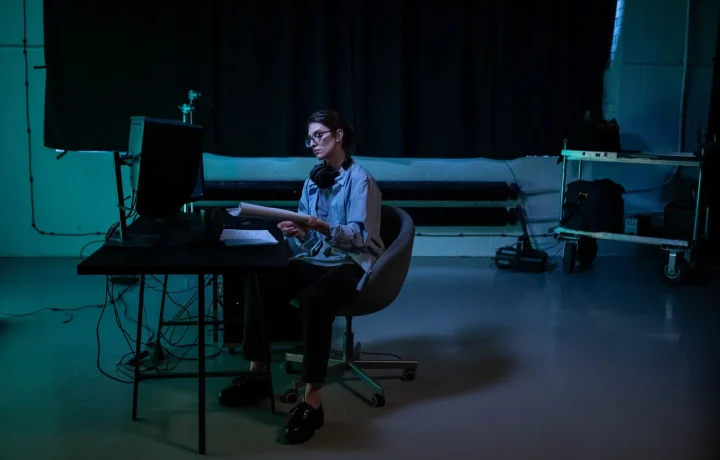
Practicing with teleprompters is an invaluable tool for enhancing on-camera confidence. Teleprompters allow presenters to deliver their lines smoothly while maintaining eye contact with the camera, which is crucial for engaging the audience. By using a teleprompter, you can focus on your delivery without the stress of memorizing every word. This not only alleviates pressure but also allows for a more conversational tone. As you become familiar with reading from a teleprompter, you will also find that your confidence grows, making it easier to connect with your audience.
Body Language Tips for Presenters
Posture and Presence
Your posture significantly influences how you are perceived on camera. Standing tall with shoulders back not only conveys confidence but also helps project your voice effectively. Good posture can make you appear more authoritative and engaged, which can enhance audience connection. Avoid slouching or crossing your arms, as these can signal discomfort or defensiveness. Instead, adopt an open stance and use your space effectively to create a dynamic presence during your presentation.
Gestures that Engage
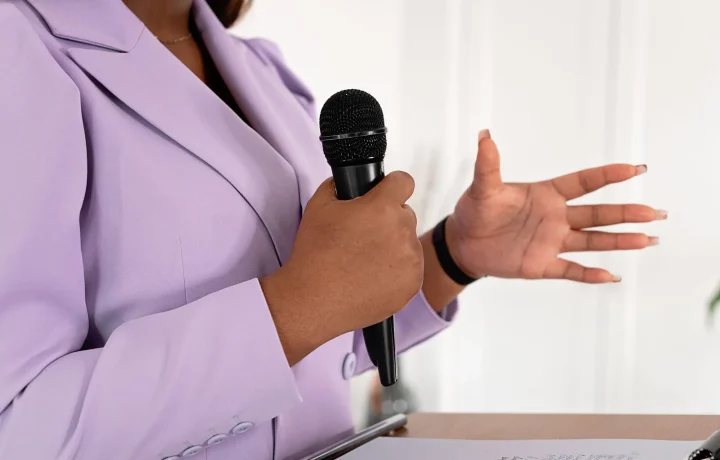
Gestures can be powerful tools for emphasizing points and maintaining audience interest. Use natural hand movements to reinforce your verbal messages, but be cautious not to overdo it, as excessive gestures can be distracting. Aim for gestures that are purposeful and enhance the story you’re telling. For example, using your hands to illustrate a concept or to show scale can help clarify your points. Ultimately, well-timed and appropriate gestures can enhance your on-camera confidence by making your delivery more lively and engaging.
Overcoming Anxiety Before Going Live
Breathing Exercises
Anxiety before going live is a common experience for many presenters. To combat this, engaging in deep breathing exercises can be incredibly effective. Deep breathing helps calm your nerves and center your focus. Try inhaling deeply through your nose, holding for a few seconds, and exhaling slowly through your mouth. Repeat this a few times before going on camera to alleviate tension and promote a sense of calm. This technique not only prepares your body for the presentation but also helps clear your mind, allowing you to concentrate on delivering your message confidently.
Visualization Techniques
Visualization is another powerful strategy for overcoming anxiety. Before your presentation, take a moment to visualize yourself succeeding on camera. Picture yourself speaking clearly, connecting with the audience, and receiving positive reactions. By mentally rehearsing the scenario, you can build a sense of familiarity and confidence. This practice can significantly reduce anxiety and enhance your overall performance. Remember, the more you visualize success, the more likely you are to manifest it in reality.
Enhancing Your Delivery with Teleprompters
Using Cues Effectively
When working with teleprompters, understanding how to use cues effectively can greatly enhance your on-camera presence. Highlight key phrases or important points in your script to remind yourself to emphasize them during your delivery. This technique allows you to maintain a natural flow while ensuring that critical elements of your presentation stand out. Furthermore, familiarizing yourself with the speed and pace of the scrolling text can help you maintain rhythm, making your delivery smoother and more engaging.
Maintaining Eye Contact
One of the most powerful aspects of presentation is maintaining eye contact with your audience. A teleprompter can assist in achieving this by positioning the script at eye level. When you look directly into the lens, it creates a sense of connection with viewers, making them feel involved in the conversation. Practice reading from the teleprompter while maintaining eye contact, as this can enhance your confidence and make your delivery more compelling. The key is to strike a balance between reading the script and engaging with the audience authentically.
Practical Confidence Tips for Presenters
Starting Strong
The beginning of your presentation sets the tone for the entire session. Starting strong is essential for capturing your audience’s attention and establishing your credibility. Consider opening with an intriguing question, a relevant story, or a surprising statistic that relates to your topic. This approach not only engages viewers from the outset but also instills confidence in you as a presenter. A confident start can significantly influence how the rest of your presentation unfolds, making it easier to maintain momentum and connection with your audience.
Handling Mistakes Gracefully
No presentation is perfect, and mistakes can happen at any time. How you handle these missteps can impact your on-camera confidence. Instead of letting a mistake derail your presentation, acknowledge it with grace. A simple smile or a light-hearted comment can diffuse any tension and show your audience that you are human. Maintaining composure, even in the face of errors, can enhance your credibility and portray confidence. Remember, your audience is often more forgiving than you might expect, and they appreciate authenticity.
Conclusion
On-camera confidence is a skill that can be cultivated through practice and preparation. By applying the tips and techniques outlined in this guide, presenters can enhance their on-camera presence and deliver engaging content that resonates with their audience. Whether you are a seasoned speaker or a newcomer to video presentations, remember that confidence comes from being well-prepared and practicing regularly. For further insights on creating engaging content, consider exploring our Creating Engaging Content with Teleprompters resource. Embrace the journey of growth, and you will find your on-camera confidence flourishing.
Frequently asked questions
How can I stop feeling nervous before recording a video?
Practice is the most effective method. Record yourself multiple times in a low-stakes environment to get comfortable with the process. Additionally, thorough preparation of your material and taking a few deep breaths right before you start can significantly reduce anxiety.
Does on-camera confidence come naturally or can it be learned?
It is absolutely a skill that can be developed and improved over time. While some people may have a head start due to their personality, anyone can learn the techniques through consistent practice, understanding the camera’s perspective, and focusing on connecting with the viewer rather than being perfect.
What are some practical exercises to improve my presence on camera?
Start by recording short, one-minute talks on a topic you know well, without editing. Focus on making eye contact with the lens and using natural hand gestures. Reviewing the footage with a critical but kind eye helps identify areas for improvement. Talking to the camera as if it were a friend you’re explaining something to is also a highly effective mental trick.
Why do I look so different and awkward on camera compared to how I see myself?
This is a very common experience called the ‘mere-exposure effect’—you’re used to seeing your mirrored image, but the camera shows the non-reversed version others see. Your brain perceives this unfamiliar view as ‘off,’ but your audience does not. The awkwardness often fades with increased exposure and practice.
How important is body language for on-camera confidence?
Body language is crucial as it communicates your confidence visually. Open posture, relaxed shoulders, and purposeful gestures convey assurance and help the audience trust your message. Conversely, closed-off or fidgety movements can undermine your spoken words, so consciously managing your body language is a key part of the skill.
Recording with a script? Try Lumi.
Keep your script near the camera and out of your final video. Try free for 3 days.
Learn more