Discover how to effectively utilize a teleprompter for various video formats, enhancing your presentations and engaging your audience. A teleprompter for video formats is a crucial tool for anyone looking to deliver content smoothly and confidently. Whether you’re a vlogger, presenter, or interview host, understanding the ins and outs of using a teleprompter can significantly elevate your performance.
Understanding Teleprompters for Different Video Formats
The Role of Teleprompters in Video Production
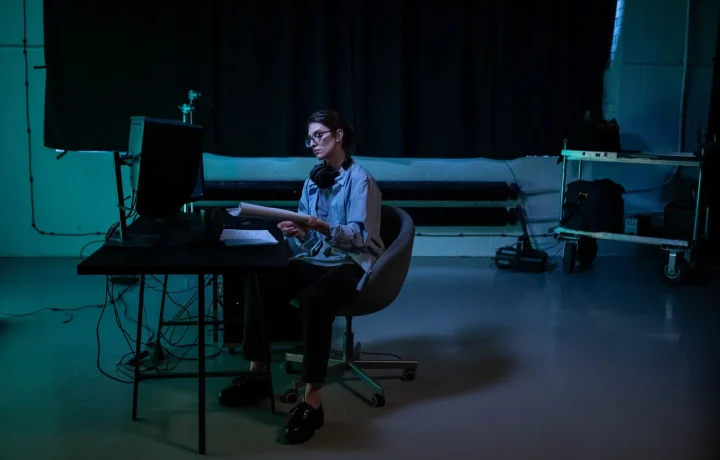
Teleprompters serve a vital function in video production by allowing presenters to deliver their scripts while maintaining eye contact with the camera. This connection is essential in creating a feeling of engagement with the audience. In various video formats—be it educational videos, marketing presentations, or interviews—the teleprompter ensures that the speaker remains on point, delivering a polished and professional message. By scrolling text at a controlled pace, it helps presenters manage their delivery and allows for a more natural flow of information.
Moreover, teleprompters adapt well to different environments. Whether in a studio setting or a live event, they offer flexibility that helps maintain consistency in delivery. This adaptability is particularly beneficial in today’s diverse media landscape, where video content can be distributed across multiple platforms.
Benefits of Using Teleprompters for Various Formats
The advantages of incorporating a teleprompter into your video production are numerous. Firstly, they enhance clarity and coherence, allowing speakers to focus on their message rather than memorizing lines. This results in a more authentic performance, as the presenter can direct their attention to engaging with the audience instead of worrying about what comes next.
Additionally, teleprompters can improve pacing. Many speakers struggle with timing, often rushing through important points or dragging on unnecessarily. With a teleprompter, you can set a comfortable scrolling speed, which helps regulate your delivery, ensuring that your message is conveyed effectively without losing the audience’s interest.
Using Teleprompters for Interviews
Preparing Your Script for Interviews
When using a teleprompter for interviews, preparation is key. You should craft a script that allows for a conversational tone, incorporating natural language and pauses where necessary. This approach not only aids in maintaining a smooth delivery but also helps to create a more relaxed atmosphere during the interview. Consider outlining key questions or points you wish to cover, but refrain from writing a rigid script that may lead to robotic delivery.
In addition, familiarize yourself with the teleprompter settings before the actual interview. Adjust the speed to match your natural speaking pace, and practice reading the script aloud to ensure that it sounds authentic and engaging.
Engaging with Interviewees While Using a Teleprompter
One of the challenges of using a teleprompter during interviews is maintaining engagement with the interviewee. This requires skillful navigation between reading the text and interacting with the person you’re interviewing. One effective technique is to use bullet points or highlighted sections for key topics, allowing you to glance at the teleprompter while still making eye contact with the interviewee.
Another important aspect is to listen actively. While your teleprompter is scrolling, pay attention to the interviewee’s responses and be ready to adapt your follow-up questions accordingly. This will enhance the conversational flow and make the interview feel more dynamic, rather than scripted.
Teleprompters for Presentations: Best Practices
Setting Up Your Teleprompter for Live Presentations
When it comes to live presentations, the setup of your teleprompter plays a critical role in your performance. Ensure that the teleprompter is positioned at eye level, directly in front of the camera. This positioning allows you to maintain a natural gaze while delivering your content. Additionally, test the lighting and screen visibility to ensure that the text is clear and easy to read from a distance.
Before the presentation, conduct a rehearsal to familiarize yourself with the equipment and make any necessary adjustments. This practice run will help you gauge the scrolling speed and adjust it according to your comfort level, which is vital for effective delivery.
Techniques for Smooth Delivery
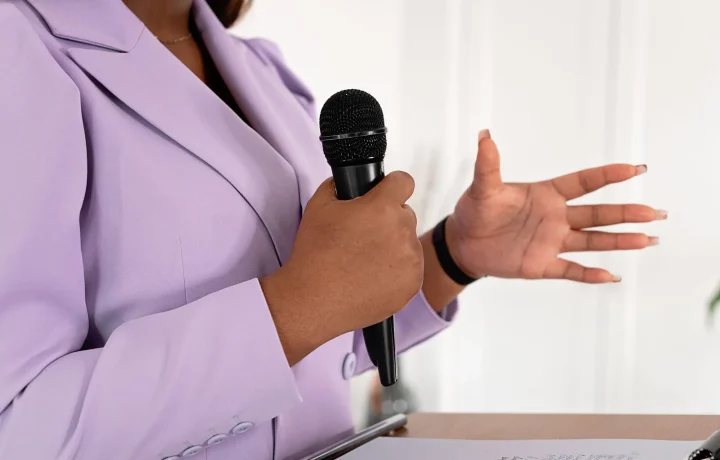
Achieving smooth delivery with a teleprompter requires practice and technique. One effective method is to incorporate natural gestures and body language while speaking. This can help to convey enthusiasm and keep the audience engaged, making your presentation feel more genuine. Furthermore, practice varying your tone and pace, which can enhance the overall impact of your message.
It’s also helpful to use cues in your script to remind you when to emphasize certain points or when to take a pause. These cues can act as a guide, allowing for a more dynamic delivery while using a teleprompter. For more tips on presentation techniques, you can check out our guide on Mastering the Teleprompter for Presentations.
Enhancing Vlogs with Teleprompters
Writing an Engaging Script for Vlogging
For vloggers, writing an engaging script is essential to resonate with your audience. Unlike formal presentations, vlogs often require a more relaxed and personal tone. When scripting for vlogs, focus on storytelling elements that draw viewers in. Use simple language and create a conversational flow that invites viewers to connect with you on a personal level.
Incorporating anecdotes or humor can also enhance engagement. Remember to use the teleprompter as a tool to guide your delivery without sounding overly scripted. This balance is crucial for maintaining authenticity in your vlogs.
Adapting Your Delivery Style for a Casual Audience
When vlogging, your delivery style should be adapted to suit a casual audience. This often means speaking more freely and allowing for spontaneity. While a teleprompter can help keep you on track, don’t hesitate to deviate from the script if a new idea or thought arises. Engaging with your audience through questions or prompts can also foster interaction, making your vlog feel more interactive.
Moreover, using visual cues or props can enhance your vlogging experience. By integrating these elements, you can keep your content dynamic and visually appealing, which is particularly important in the crowded space of online video.
Technical Considerations for Teleprompter Usage
Choosing the Right Teleprompter Software
Choosing the right teleprompter software is an essential step in ensuring a smooth operation. There are numerous options available, each offering different features and compatibility with various devices. Look for software that is user-friendly, allows for customizable text size, and offers adjustable scrolling speed. Some software even provides remote control functionality, which can be beneficial for live presentations or interviews.
Additionally, consider the compatibility of the software with your camera setup. Ensure that it can easily integrate with your recording system, making the process seamless and efficient.
Hardware Setup: What You Need to Know
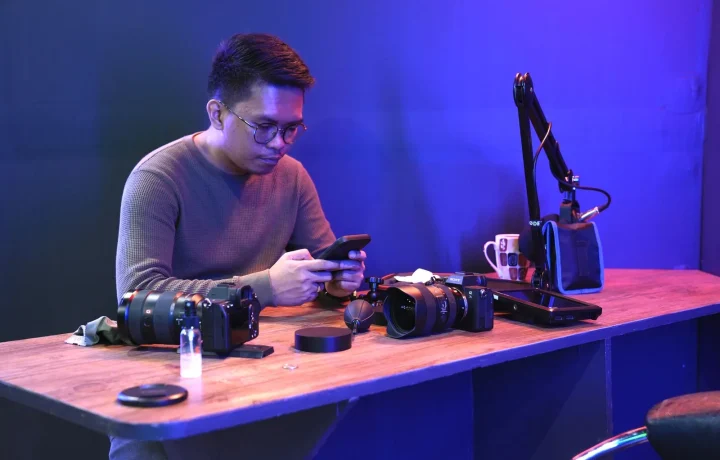
In addition to software, a solid hardware setup is crucial for effective teleprompter usage. Invest in a quality teleprompter kit that is adjustable and compatible with your camera. It’s also important to ensure that your display is bright enough to be visible under various lighting conditions. A good tripod is also essential for stability, especially during live shoots.
Lastly, be aware of the cable management and overall layout of your workspace. Maintaining a tidy setup can help reduce distractions and ensure that you can focus on your performance.
Overcoming Challenges with Teleprompters
Common Issues and Solutions
Despite the many advantages of using a teleprompter, challenges can arise. One common issue is the text scrolling too fast or too slow, which can disrupt the flow of your delivery. To combat this, practice using the teleprompter multiple times before any presentation or recording session, allowing for adjustments to scrolling speed based on your comfort.
Another challenge is occasionally losing your place in the script. To avoid this, consider using color-coded highlighting or markers within your script to easily identify key sections. This way, if you glance away from the teleprompter, you can quickly regain your place without appearing disoriented.
Tips for Practicing with a Teleprompter
To effectively harness the power of a teleprompter, regular practice is essential. Begin by reading your script aloud multiple times to get a feel for the pacing and clarity of your delivery. It’s also beneficial to record yourself during practice sessions; reviewing these recordings can provide insights into areas for improvement.
Moreover, consider practicing in front of a small audience or friends. This will help you simulate the real experience and build confidence in your ability to deliver content smoothly while utilizing a teleprompter. For further insights on mastering your skills, you can refer to Mastering Teleprompter Usage.
Conclusion: Maximizing Your Teleprompter Skills
By understanding how to use a teleprompter effectively across various video formats, you can enhance your delivery, engage your audience, and achieve your communication goals. The key takeaways include the importance of preparation, adapting your script for different formats, and practicing regularly to overcome challenges. Embrace the versatility of teleprompters and make them an integral part of your video production toolkit, enabling you to present confidently and impactfully.
Frequently asked questions
What is the best teleprompter app for recording videos at home?
Many creators use apps like PromptSmart, Teleprompter Premium, or BigVu, which offer auto-scrolling and recording features directly on your phone or tablet. Choose one that integrates with your camera and allows speed adjustments. For beginners, an app with a free tier or trial is a practical way to start.
How do I avoid looking like I’m reading from a script on video?
Place the teleprompter lens directly over your camera lens so your eyes look into the camera. Adjust the scroll speed to match your natural speaking pace, and use concise, conversational language in your script. Practice multiple times to internalize the content, allowing for more natural eye movement and inflection.
Can a teleprompter work with a DSLR or mirrorless camera for professional video?
Yes, professional beam-splitter teleprompters attach to DSLR/mirrorless cameras using a tripod mount and a glass that reflects the script text while letting the camera lens see through. You’ll need an external monitor or tablet to display the script and an app to control the scroll speed. This setup is standard for corporate videos, interviews, and news segments.
What font size and line spacing should I use on a teleprompter for video?
A good starting point is a font size between 56-72 points, depending on the distance between the presenter and the prompter. Use generous line spacing (1.5 or double) to reduce eye movement and help with tracking. Test the setup beforehand to ensure the text is clear and comfortable to read at your specific distance.
How can I format my script to sound natural when reading from a teleprompter?
Write in short, punchy sentences and use bullet points or numbered lists for key points instead of full paragraphs. Incorporate natural pauses and conversational phrasing, as you would in a real conversation. Reading aloud while writing helps you craft a script that flows when spoken, making the teleprompter delivery feel authentic.
Is a teleprompter necessary for creating long-form video content like tutorials or vlogs?
It’s not strictly necessary but highly recommended for maintaining eye contact, ensuring accurate delivery of complex information, and reducing recording time. For vlogs, some creators prefer a more spontaneous approach, but a teleprompter can help structure thoughts. Ultimately, it depends on your comfort level and the need for precision in your content.
Recording with a script? Try Lumi.
Keep your script near the camera and out of your final video. Try free for 3 days.
Learn more