Discover how to boost your on-camera confidence with effective techniques and strategies tailored for presenters, educators, and content creators. This guide provides practical tips to help you engage your audience and present with assurance. The journey to mastering on-camera confidence involves understanding its significance and implementing various strategies that can enhance your performance.
Understanding On-Camera Confidence
What is On-Camera Confidence?
On-camera confidence is the ability to present oneself effectively in front of a camera, projecting assurance and poise that captivates the audience. It’s not merely about speaking clearly but also involves conveying emotions and connecting with viewers through the screen. This form of confidence can significantly influence how your message is received, making it a crucial skill for anyone looking to engage an audience through video.
When you radiate on-camera confidence, you create an atmosphere of trust and credibility. This is essential for presenters, educators, and content creators who aim to leave a lasting impression. Your confidence can make the difference between a flat presentation and one that resonates with your audience, encouraging them to engage and respond positively.
Importance of Confidence in Presentations
The importance of confidence in presentations cannot be overstated. A confident presenter is more likely to capture their audience’s attention and maintain engagement throughout the presentation. When you are self-assured, your enthusiasm and passion for the topic shine through, making it easier for the audience to connect with you and the material being presented.
Moreover, confidence reduces the likelihood of mistakes during your presentation. When you feel secure in your delivery, you can focus more on the content and less on the fear of failure. This mindset shift can lead to more effective communication and a more enjoyable experience for both you and your audience.
Key Confidence Tips for Presenters
Preparation and Practice
Preparation is a cornerstone of building on-camera confidence. Knowing your material inside and out allows you to present more naturally and with greater authority. Create a detailed outline or script and rehearse it multiple times. This practice enables you to familiarize yourself with the content and reduces anxiety during the actual presentation.
Additionally, consider recording your practice sessions. Watching these recordings can provide insights into your strengths and areas for improvement. Pay attention to your pacing, tone, and body language. By refining these aspects, you enhance your overall delivery, contributing to greater on-camera confidence.
Visualizing Success
Visualization is a powerful tool in building confidence. Before stepping in front of the camera, take a moment to imagine yourself succeeding. Picture a lively audience engaged with your presentation, reacting positively to your message. This mental imagery can help reduce anxiety and create a positive mindset, allowing you to approach the situation with more confidence.
Incorporating visualization into your preparation can transform your outlook on presenting. Instead of focusing on potential pitfalls, you shift your attention to positive outcomes, making you more likely to manifest those desired results during your actual presentation.
Positive Self-Talk
The way you speak to yourself can have a profound impact on your confidence levels. Engaging in positive self-talk can counteract feelings of doubt and anxiety. Instead of allowing negative thoughts to dominate, consciously replace them with affirmations that reinforce your ability to succeed. Phrases like “I am prepared,” “I know my material,” and “I can engage my audience” can shift your mindset and cultivate a more confident demeanor.
Moreover, consider keeping a journal where you note down your achievements and positive feedback. Reflecting on these moments can serve as a powerful reminder of your capabilities, further bolstering your on-camera confidence.
Using Body Language Effectively
The Role of Body Language with Teleprompters
Body language plays a vital role in communication, especially when using teleprompters. Your physical presence can enhance or detract from your message. When using a teleprompter, it’s essential to maintain an open posture and deliberate movements. Avoid rigid stances; instead, use your body to emphasize points and convey enthusiasm.
Connecting with your audience through body language can significantly impact their reception of your message. Ensure that your gestures and expressions align with what you are saying, reinforcing your words and making your presentation more dynamic.
Maintaining Eye Contact
Maintaining eye contact is crucial for establishing trust and connection with your audience. When using a teleprompter, this can be challenging, as your gaze may shift to the script. However, practicing looking directly at the camera while reading can create the illusion of eye contact with your audience, making them feel seen and engaged.
To improve your eye contact, practice reading your script aloud while focusing on a fixed point in the camera. This technique will help you develop the ability to maintain engagement with your viewers while still delivering your content effectively.
Gestures that Enhance Your Message
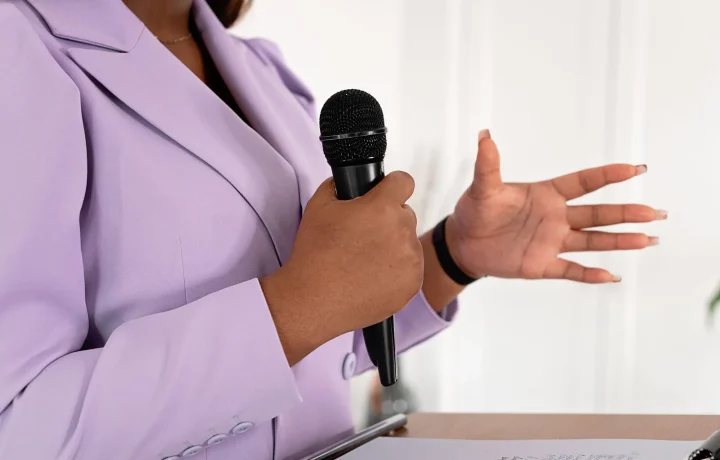
Effective gestures can help emphasize your points and add energy to your presentation. When presenting on camera, use purposeful gestures to accompany your speech. Avoid excessive movements that can distract your audience; instead, focus on gestures that complement your message. For instance, using hand movements to illustrate a concept or highlighting key points can make your presentation more engaging.
Moreover, being aware of your facial expressions is equally important. Smiling or showing enthusiasm can enhance the audience’s perception of your confidence and engagement. This synergy between verbal and non-verbal communication creates a more compelling presentation.
Overcoming Anxiety Before Presenting
Identifying Triggers
Understanding the root of your anxiety is the first step in overcoming it. Common triggers may include fear of judgment, concerns about forgetting your lines, or worrying about technical issues. By identifying these triggers, you can develop strategies to address them proactively, reducing their impact on your performance.
Once you are aware of your specific anxieties, you can create a tailored plan to manage them effectively. This might involve practicing specific techniques or implementing coping strategies that resonate with you personally.
Breathing Techniques
Breathing techniques can help alleviate anxiety and promote relaxation. Before you present, take a few deep breaths to center yourself. Inhale deeply through the nose, hold for a few seconds, and exhale slowly through the mouth. This practice can help lower stress levels and prepare your mind for the presentation ahead.
Incorporating breathing exercises into your pre-presentation routine can make a significant difference in how you feel. It not only calms your nerves but also provides a moment to focus and gather your thoughts before you begin speaking.
Desensitization through Rehearsal
Rehearsing in front of a live audience, whether friends, family, or colleagues, can help desensitize you to the fear of presenting. The more you expose yourself to the act of presenting, the more comfortable you become. This gradual exposure can help reduce anxiety over time and increase your overall confidence.
Additionally, if possible, practice in the actual setting where you will be presenting. Familiarity with the environment can make you feel more at ease and prepared, further enhancing your on-camera confidence.
Practical Exercises to Build Confidence
Recording Practice Sessions
Recording your practice sessions offers invaluable feedback. Watching yourself allows you to observe your body language, vocal variety, and overall delivery. This self-review process can help you identify areas for improvement, enabling you to refine your presentation skills over time.
With each recording, you can track your progress and celebrate your improvements, further boosting your on-camera confidence. Moreover, it can help normalize the act of presenting to a camera, making it feel less daunting.
Feedback from Peers
Seeking constructive feedback from peers can be incredibly beneficial. Sharing your presentation with a trusted audience allows you to gain insights from others’ perspectives. They can point out strengths you may not recognize and provide suggestions for improvement.
Engaging with a supportive community can enhance your confidence as you learn to embrace feedback as a valuable tool for growth rather than a source of anxiety.
Using Teleprompters in Practice
Practicing with a teleprompter can significantly improve your on-camera confidence. Familiarizing yourself with the device allows you to focus on delivering your message rather than worrying about remembering your lines. Start by reading your script casually, then gradually increase your speed while maintaining clarity and engagement.
By integrating teleprompters into your practice routine, you can streamline your delivery and enhance your overall presentation effectiveness. For more information on this topic, check out our guide on Creating Engaging Content with Teleprompters.
Applying Confidence in Real Situations
Handling Live Audiences
When presenting to a live audience, your on-camera confidence translates into a powerful in-person presence. Remember that the audience is generally supportive and wants you to succeed. Engaging with them through eye contact and responsive body language can create a dynamic atmosphere that enhances your confidence further.
Additionally, be prepared to adapt your presentation based on audience reactions. If they seem disengaged, adjust your delivery or incorporate questions to re-engage them. This flexibility can enhance your confidence and ensure a more interactive experience for everyone involved.
Adapting to Different Formats
As a presenter, you may encounter various formats, from webinars to live streams. Each format requires a slightly different approach. Understanding the nuances of each platform can help you adapt your presentation style accordingly, enhancing your on-camera confidence.
For example, in a webinar, it may be necessary to directly address the viewers’ questions in real-time. Practicing this format can help you feel more comfortable and competent, allowing your natural confidence to shine through.
Engaging with Viewers Online
In the digital age, engaging with online viewers is essential. This can include responding to comments, asking for interaction, or even conducting polls during your presentation. Building a rapport with your online audience can boost your confidence as you recognize their engagement and interest.
Utilizing tools such as chat features can also enhance interaction. When you see the audience reacting positively in real-time, it reinforces your confidence and encourages you to deliver your message with assurance.
Conclusion
Building on-camera confidence is a continuous journey that involves preparation, practice, and the effective use of tools like teleprompters. By applying the tips and techniques outlined in this guide, you can enhance your presentation skills and engage your audience with self-assurance. Remember, every small step you take in building your confidence contributes to a more impactful and successful presentation experience.
Keep practicing, embrace feedback, and remain open to learning. With dedication and the right strategies, you can master the art of on-camera confidence, transforming your presentations into compelling experiences that resonate with your audience.
Frequently asked questions
How can I practice being more confident on camera if I don’t have anyone to film me?
You can practice by recording yourself with your smartphone or webcam, starting with short, low-stakes videos. Watch the playback to identify what makes you appear nervous, like avoiding eye contact or fidgeting, and consciously work on those specific habits. Talking to yourself in front of a mirror also helps you get comfortable with your own expressions and gestures.
What are some quick techniques to calm nerves right before a live video or recording?
Take slow, deep diaphragmatic breaths to lower your heart rate and reduce anxiety. Power posing for a minute—like standing tall with hands on hips—can boost feelings of confidence. Also, have a glass of water nearby to sip, which can pause nervous talking and reset your composure.
Why does looking directly into the camera lens feel so unnatural, and how can I get used to it?
It feels unnatural because we’re trained to look at the person we’re speaking to, not a piece of glass. To practice, place a friendly photo or a sticky note with a smiley face right next to your camera lens to simulate eye contact. Over time, this mental trick helps direct your gaze naturally toward the audience.
How do I sound more engaging and less monotone when speaking on camera?
Vary your vocal pitch and pace deliberately—emphasize key words and use pauses for effect. Imagine you are explaining something exciting to a friend, which naturally brings more energy to your voice. Recording a practice run and listening back is the best way to hear your own monotone patterns and adjust them.
Recording with a script? Try Lumi.
Keep your script near the camera and out of your final video. Try free for 3 days.
Learn more