Discover how to effectively use a teleprompter for various video formats to enhance your content delivery and engage your audience. A teleprompter for video formats can be a game-changer in improving your presentation skills and ensuring that you communicate your message clearly and confidently.
Understanding the Teleprompter for Video Formats
What is a Teleprompter?
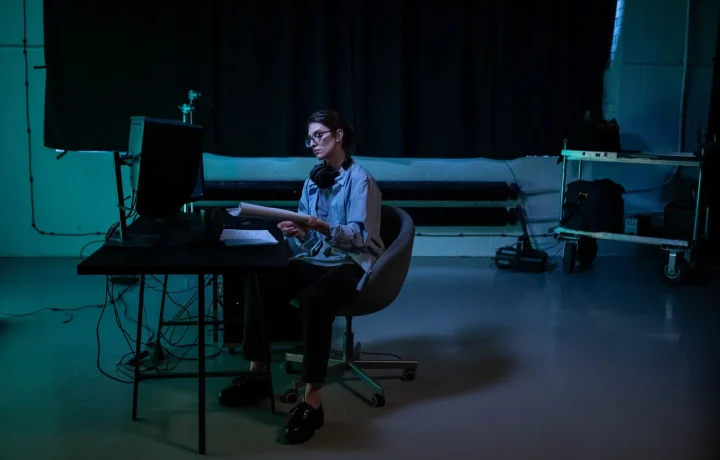
A teleprompter is a device that displays scrolling text for a speaker to read while looking directly at the camera. This technology is commonly used in television news broadcasts, speeches, and various video formats, allowing presenters to maintain eye contact with their audience while delivering a scripted message. The text is typically projected onto a transparent screen positioned in front of the camera lens, making it invisible to viewers but easily readable by the presenter.
Teleprompters have evolved over the years, transitioning from bulky, mechanical setups to sleek, portable devices and even apps designed for smartphones and tablets. This evolution has made it easier than ever for content creators to incorporate teleprompters into their workflow, regardless of the type of video they are producing.
Benefits of Using a Teleprompter in Video Production
Utilizing a teleprompter in video production offers several advantages. Firstly, it enhances clarity and coherence in the delivery of information. By having a script at hand, presenters can articulate their thoughts more clearly, minimizing the chances of forgetting crucial points. Secondly, it helps maintain a natural flow, allowing presenters to engage with their audience rather than focusing solely on memorizing lines.
Moreover, using a teleprompter can significantly reduce anxiety for those who may be nervous about public speaking. Knowing that the script is readily available can instill a sense of confidence in the presenter. This is particularly important in formats where viewer engagement is essential, such as live broadcasts or interactive presentations.
Best Practices for Teleprompter Usage
Setting Up Your Teleprompter Correctly
Ensuring your teleprompter is set up correctly is vital for a smooth presentation. Begin by positioning the teleprompter at eye level and adjusting the angle to suit your comfort. This setup helps create the illusion of direct eye contact with the camera, making your delivery more engaging. It is also essential to check the distance of the teleprompter from your eyes; the text should be at a readable size without straining your vision.
Furthermore, consider the lighting of your shooting environment. Ensure that the text on the teleprompter is well-lit and contrasts appropriately with the background, reducing strain on your eyes and enhancing visibility. Test the setup before recording to ensure everything is aligned correctly.
Adjusting Speed and Font Size for Clarity
Another crucial aspect of using a teleprompter effectively is adjusting the scrolling speed and font size. The speed at which the text scrolls should match your natural speaking pace. If the text moves too quickly, it can cause you to stumble or lose your place, while a slow scroll may disrupt the flow. Take time to practice with the teleprompter and find a comfortable speed that allows for a smooth delivery.
In addition, the font size should be large enough to be read effortlessly without causing you to squint or strain your eyes. A larger font size increases readability and helps maintain your focus on the camera, rather than the screen. Experimenting with different font styles and sizes can help you determine what works best for your needs.
Maintaining Eye Contact with the Camera
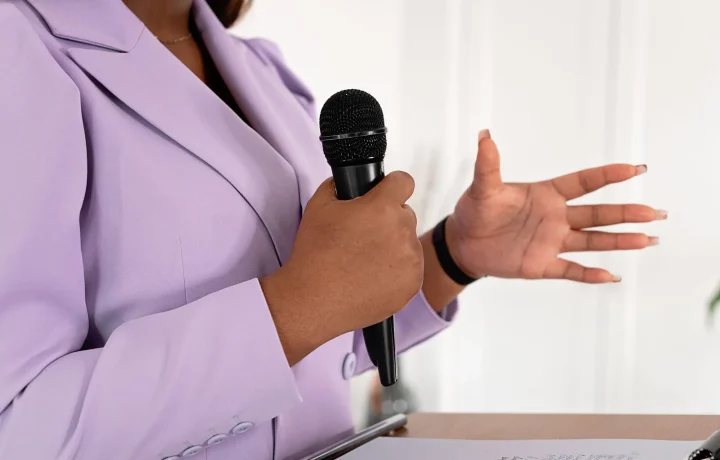
One of the primary benefits of using a teleprompter is the ability to maintain eye contact with the camera while reading your script. To achieve this, practice looking directly at the lens as much as possible. This not only helps engage your audience but also creates a more personal connection as if you are speaking directly to them.
To refine this skill, rehearse in front of a camera or mirror. This practice will allow you to become comfortable with the teleprompter while ensuring your gaze remains focused on the audience. Remember, good eye contact can significantly enhance your credibility and relatability as a presenter.
Using a Teleprompter for Interviews
Preparing Your Script for Interview Formats
When using a teleprompter for interviews, preparation is key. Begin by crafting a script that includes your questions and any important points you wish to cover. Make sure the script is conversational and easy to follow, as interviews often require a degree of spontaneity. Consider using bullet points to outline topics instead of writing out every word; this approach allows for a more natural flow in conversation.
Additionally, familiarize yourself with the content beforehand to ensure you can engage with the interviewee effectively. This preparation will enable you to listen actively and respond appropriately, making the interview more dynamic.
Engaging with Guests while Reading
Maintaining engagement with your guest while using a teleprompter can be challenging but is crucial for a successful interview. To achieve this, try to incorporate conversational cues into your script. Avoid reading verbatim; instead, use the teleprompter as a guide while allowing room for improvisation and follow-up questions based on the guest’s responses.
Practicing this balance will help you build rapport with your interviewee, resulting in a more engaging and informative conversation for your audience.
Optimizing Teleprompter Usage for Presentations
Crafting a Compelling Presentation Script
Creating a compelling presentation script is essential when using a teleprompter. Start by outlining the key points you want to convey, and structure your script to include an introduction, body, and conclusion. This structure helps maintain clarity and ensures that your audience can follow your message.
Incorporate storytelling elements and relatable anecdotes to make your presentation more engaging. Your script should also include pauses for emphasis, allowing the audience to absorb the information you’re sharing. A well-crafted script enhances the overall impact of your presentation.
Incorporating Visual Aids with a Teleprompter
Visual aids can enhance a presentation significantly when used in conjunction with a teleprompter. When planning your presentation, think about how to integrate slides, graphs, or videos that complement your spoken content. Make sure that these visual elements are synchronized with your script, allowing you to reference them seamlessly as you speak.
This integration helps maintain audience interest and reinforces your message. A teleprompter can be particularly effective in ensuring that you don’t lose track of your script while simultaneously engaging with visual aids.
Teleprompter Tips for Vlogging
Creating Authentic Content with a Teleprompter
For vloggers, using a teleprompter can help create authentic content that resonates with viewers. While it may seem counterintuitive to read from a script, a well-prepared teleprompter setup can enhance your delivery and ensure clarity in your messaging. Practice using the teleprompter to maintain a conversational tone, allowing your personality to shine through.
Additionally, avoid making your delivery sound robotic by infusing your script with natural expressions and pauses. This approach can help maintain authenticity and connect better with your audience.
Balancing Scripted and Spontaneous Delivery
Striking the right balance between scripted content and spontaneous delivery is vital for engaging vlogs. While a teleprompter provides structure, it’s important to allow room for improvisation. Consider using the teleprompter to outline key points while leaving space for unscripted commentary or personal anecdotes.
This approach not only makes your content more relatable but also showcases your genuine personality, making viewers more likely to connect with you on a personal level.
Common Mistakes to Avoid When Using a Teleprompter
Over-reliance on the Teleprompter
One common mistake in teleprompter usage is over-reliance on the device. While it serves as a valuable tool, it’s crucial to avoid becoming too dependent on it. Practice your script until you feel comfortable with the material, allowing for a more natural delivery. Over-relying on the teleprompter can lead to a disjointed presentation, as your focus may shift from engaging with the audience to simply reading.
Neglecting Audience Engagement
Another mistake is neglecting audience engagement. While the teleprompter helps keep you on track, it can also create a barrier between you and your viewers if not used effectively. Maintain eye contact, use facial expressions, and engage with your audience through rhetorical questions or anecdotes. This interaction is essential for creating a memorable presentation and ensuring that your message resonates.
Future Trends in Teleprompter Technology
Emerging Features and Innovations
As technology continues to evolve, so do teleprompters. Emerging features such as voice recognition, which allows the teleprompter to scroll automatically based on your speech, are becoming increasingly common. This innovation can significantly enhance the user experience, allowing for a more fluid presentation without the need for manual adjustments.
Additionally, the integration of cloud-based services for script storage and management is on the rise. This makes it easier for presenters to access their scripts from any device, streamlining the process even further.
How AI is Shaping Teleprompter Usage
Artificial intelligence is also shaping the future of teleprompter usage. AI-driven teleprompters can analyze your delivery style and suggest adjustments to enhance your performance. This personalization can help content creators fine-tune their presentations and improve overall effectiveness.
As AI technology becomes more sophisticated, we can expect teleprompters to become even more intuitive, providing tailored support to presenters and enhancing the quality of video formats across the board.
Conclusion
By implementing these best practices for using a teleprompter for video formats, you can significantly improve your presentation skills and create more engaging content for your audience. Remember to focus on setup, script preparation, and audience engagement to maximize your teleprompter’s effectiveness. Whether you are creating content for interviews, presentations, or vlogs, a teleprompter can be an invaluable tool in your video production arsenal. For further insights on improving your teleprompter skills, check out Mastering Teleprompter Usage for comprehensive guidance.
Frequently asked questions
What font size and style are recommended for a teleprompter in video formats?
Use a large, sans-serif font like Arial or Helvetica, sized between 56 to 72 points for readability from a distance. Avoid scripts or
Recording with a script? Try Lumi.
Keep your script near the camera and out of your final video. Try free for 3 days.
Learn more