Discover the best microphones for video recording to enhance your audio quality. This guide will help content creators, video producers, and educators choose the right microphone for their needs.
Understanding the Importance of Audio Quality
Why Audio Matters in Video Production
When it comes to video production, audio quality is just as important as the visual elements. Viewers may forgive shaky camera work or less-than-perfect lighting, but if the audio is poor, they are likely to disengage quickly. The best microphones for video recording are essential for capturing clear, crisp sound that complements your visuals.
Common Audio Issues in Video
Several common audio issues can plague video recordings, including background noise, echo, and distortion. These problems can arise from various sources such as environmental sounds, poor microphone placement, or even the equipment used. Being aware of these issues can help you choose the right equipment and techniques to mitigate them.
Impact of Poor Audio on Viewer Engagement
Research indicates that poor audio quality can lead to decreased viewer retention and engagement. When viewers struggle to hear or understand the content, they are more likely to click away. Thus, investing in the best microphones for video recording is a strategic move that can significantly improve audience retention.
Types of Microphones for Video Recording
Lavalier Microphones
Lavalier microphones, or lapel mics, are small and discreet, making them ideal for interviews and presentations. They can clip onto clothing, allowing for hands-free operation while capturing clear audio from the speaker. These mics are especially useful when recording dialogue in controlled environments.
Shotgun Microphones
Shotgun microphones are highly directional and designed to capture sound from a specific source while rejecting ambient noise. They are perfect for outdoor recording or situations where you need to focus on a subject, such as in film or documentary production.
Handheld Microphones
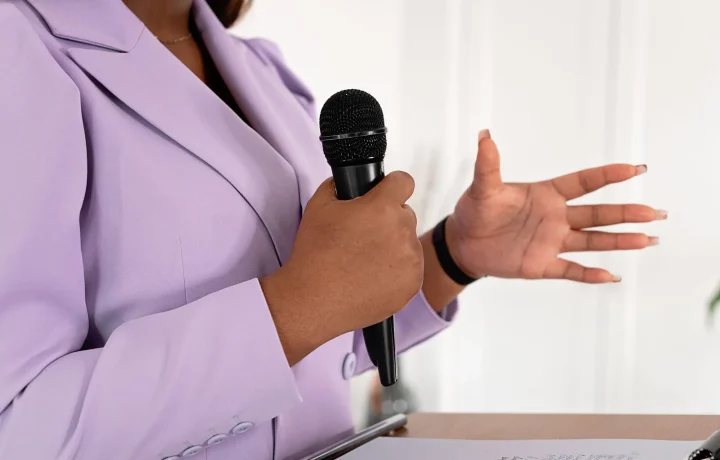
Handheld microphones are often used in interviews and live settings. They offer flexibility and can be passed easily between speakers. While they may not provide the same level of audio isolation as shotgun mics, they are incredibly versatile and widely used in various formats.
USB Microphones
USB microphones have gained popularity for their ease of use, especially among content creators and podcasters. They can be plugged directly into a computer, making them a convenient choice for those working in digital media. However, they may not always provide the best audio quality compared to professional-grade mics.
Top 5 Best Microphones for Video Recording
1. Rode VideoMic Pro
The Rode VideoMic Pro is a top choice among videographers for its compact size and excellent audio quality. It features a super-cardioid pickup pattern, which helps isolate sound from the front and reduce background noise.
2. Shure MV88
The Shure MV88 is a versatile digital stereo condenser microphone that connects directly to iOS devices. Its compact design and high-quality sound make it perfect for mobile content creators.
3. Sennheiser MKE 600
The Sennheiser MKE 600 is a professional shotgun microphone known for its excellent audio quality and durability. It is an ideal choice for filmmakers seeking to capture rich sound in challenging environments.
4. Audio-Technica AT2020
The Audio-Technica AT2020 is a popular choice for those looking for a USB microphone that offers excellent sound quality. It is ideal for recording voiceovers and podcasts, making it a great addition to any content creator’s toolkit.
5. Zoom H1n Handy Recorder
The Zoom H1n Handy Recorder is a portable audio recorder that provides high-quality sound in various settings. It is particularly useful for capturing audio during events or in environments where a traditional microphone setup may be impractical.
Audio Tips for Video Recording
Choosing the Right Microphone for Your Setup
When selecting a microphone, consider your recording environment, type of content, and budget. Each microphone type has its advantages and disadvantages, so understanding your specific needs will help you make an informed choice.
Positioning Your Microphone
Proper microphone placement can dramatically affect sound quality. Keep the microphone close to the sound source while avoiding obstructions that can cause distortion. Experiment with different placements to find the optimal position for your setup.
Using Windscreens and Pop Filters
To reduce noise from wind or plosives, consider using windscreens and pop filters. These accessories can help improve audio clarity, especially in outdoor recording situations.
Recording in Different Environments
Each recording environment presents unique challenges. When recording indoors, be mindful of echo and reverberation; soft furnishings can help absorb sound. Outdoors, be aware of background noise and wind, and use directional microphones to isolate your subject’s audio.
Setting Up Your Microphone
Connecting to Your Camera
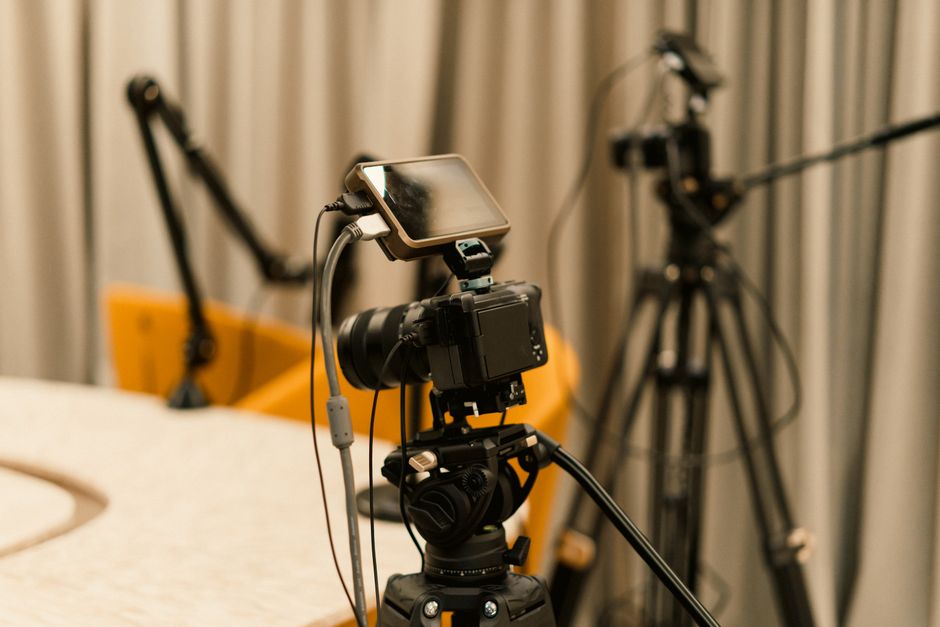
Most cameras have a dedicated microphone input, making it easy to connect your microphone. Ensure you select the correct input settings on your camera to capture the best audio quality.
Using External Recorders
For higher quality recordings, consider using external audio recorders. These devices can provide superior sound quality and more control over your audio settings, allowing for a better overall recording experience.
Adjusting Audio Levels
Before you start recording, it’s crucial to adjust your audio levels. Aim for a balance that prevents distortion and ensures clarity. Monitor your levels throughout the recording to maintain consistent sound quality.
Post-Production Audio Editing
Basic Audio Editing Techniques
After recording, basic audio editing techniques can enhance your final product. This includes trimming silence, removing background noise, and adjusting levels to create a polished audio track that complements your video.
Using Software for Audio Enhancement
There are numerous software options available for audio enhancement, ranging from simple editing tools to professional-grade programs. Familiarize yourself with these tools to take full advantage of your recorded audio.
Syncing Audio with Video
Synchronizing audio with video is essential for creating a seamless viewing experience. Many editing programs offer features that simplify this process, enabling you to align your audio and video tracks accurately.
Future Trends in Microphone Technology
Wireless Microphone Developments
Wireless microphones have become increasingly popular, offering greater freedom of movement for speakers and performers. Advances in technology are making these microphones more reliable and easier to use, further enhancing their appeal.
Smart Microphones and AI Integration
As technology evolves, smart microphones equipped with AI capabilities are emerging. These devices can automatically adjust settings based on the environment, making it easier for users to achieve optimal audio quality.
Trends in Portable Recording Devices
With the rise of mobile content creation, portable recording devices are becoming more advanced. These gadgets offer professional-quality sound in compact packages, catering to the growing demand for on-the-go recording solutions.
Conclusion
Selecting the best microphone for video recording is essential for producing high-quality content. By understanding your options and following audio tips, you can significantly enhance your video production efforts. For more detailed insights, check out our Video Recording Tips for Professionals to further refine your skills and elevate your content quality.
Perguntas frequentes
What are the best microphones for video recording?
The best microphones for video recording include shotgun mics, lavalier mics, and handheld mics. Each type serves different recording scenarios, ensuring optimal audio quality.
How does a shotgun microphone work?
A shotgun microphone captures sound from a specific direction while minimizing background noise. This directional characteristic makes it ideal for interviews and film production.
What is a lavalier microphone used for?
A lavalier microphone, or lapel mic, is typically clipped to a person’s clothing for hands-free operation. It’s commonly used in interviews, presentations, and vlogs to capture clear audio.
Are USB microphones good for video recording?
USB microphones can be a convenient choice for video recording, especially for voiceovers and streaming. They offer decent audio quality and are easy to set up with computers.
What should I consider when choosing a microphone for video recording?
Consider the microphone type, pickup pattern, and compatibility with your recording device. Additionally, think about the environment you’ll be recording in to ensure the best audio quality.
Can I use a smartphone microphone for video recording?
Smartphone microphones can be used for video recording, but they may not provide the same quality as dedicated mics. For better sound, consider using an external microphone that connects to your smartphone.
What is the difference between dynamic and condenser microphones?
Dynamic microphones are great for high sound pressure levels and are more durable, while condenser microphones offer greater sensitivity and detail, making them ideal for studio recordings.
Do I need a windscreen for outdoor recording?
Using a windscreen is advisable for outdoor recording to reduce wind noise and improve audio clarity. It helps ensure that your recordings are clean and professional.
Recording with a script? Try Lumi.
Keep your script near the camera and out of your final video. Try free for 3 days.
Learn more