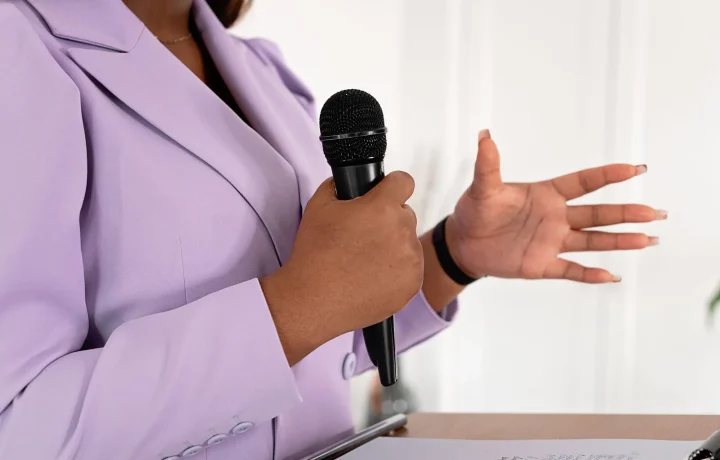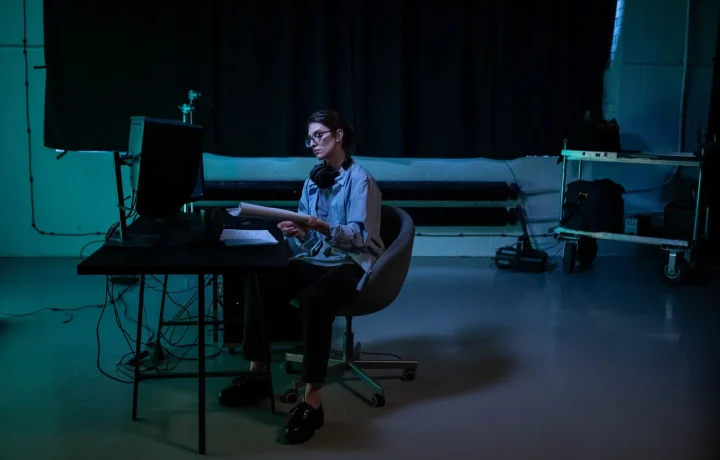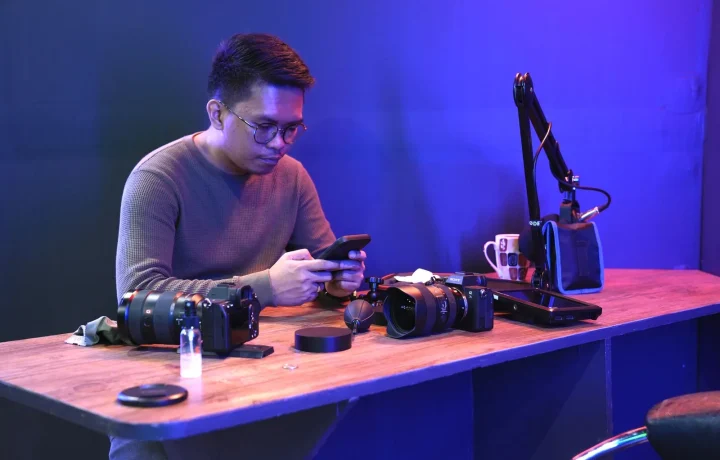
Discover how to effectively utilize a live streaming teleprompter to enhance your presentations, engage your audience, and improve your delivery skills. In today’s digital age, many presenters are turning to teleprompters to streamline their communication, ensuring that their messages are not only clear but also captivating. Using a teleprompter can significantly reduce the anxiety associated with public speaking, allowing for a more natural presentation style. This article will delve into the nuances of using a live streaming teleprompter and provide practical tips that can elevate your content delivery.
Understanding Live Streaming Teleprompters
What is a Live Streaming Teleprompter?
A live streaming teleprompter is a specialized device designed to display scripted text for presenters during live broadcasts. The primary function of a teleprompter is to ensure that speakers can maintain eye contact with the camera while delivering their message. This not only creates a more engaging experience for the audience but also helps the presenter to appear more confident and composed. By integrating this technology into live streams, presenters can enhance their delivery and ensure that important points are communicated effectively.
Teleprompters come in various formats, from traditional setups with glass and a monitor to modern software applications that can be used on tablets and smartphones. The latter options have gained popularity due to their portability and ease of use, allowing presenters to adapt to different environments quickly. Whether you are a seasoned broadcaster or a beginner stepping into the world of live streaming, understanding the role and function of a live streaming teleprompter is essential for delivering polished performances.
Key Features of Live Streaming Teleprompters
When selecting a live streaming teleprompter, it’s crucial to look for specific features that enhance usability and effectiveness. Key features include adjustable text size, customizable scroll speed, and compatibility with various devices. These functionalities enable presenters to tailor their teleprompter experience to their personal preferences, ensuring that they can read comfortably while maintaining their focus on the camera. Additionally, many teleprompters now come equipped with remote controls, allowing presenters to manage their scripts without needing an assistant.
Another significant feature is the ability to integrate with live streaming software. This compatibility is vital for seamless performance during live events, as it allows for real-time script adjustments and the elimination of potential technical issues. Moreover, some teleprompters have built-in video recording capabilities, enabling presenters to review their performances post-broadcast for improvement. Understanding these features will help you choose the best teleprompter suited for your live streaming needs.
Setting Up Your Live Streaming Teleprompter
Choosing the Right Teleprompter for Live Events
Choosing the right teleprompter for live events is a critical step in ensuring a successful presentation. Factors to consider include the size of the teleprompter, its compatibility with your camera, and the specific needs of your event. For instance, if you are presenting in a large venue, a larger teleprompter may be necessary to make the text legible from a distance. Conversely, if you are streaming from a small studio or home setup, a compact, portable teleprompter might be more appropriate.
Additionally, consider the type of content you will be presenting. If your script is lengthy or complex, choose a teleprompter with adjustable speed settings that allow you to find a comfortable reading pace. Furthermore, familiarize yourself with different brands and models, as some may offer superior features or better customer support than others. Researching and testing various options can significantly influence the quality of your live streaming experience.
Technical Setup and Configuration
Once you have selected the right teleprompter, it’s time to focus on the technical setup and configuration. Ensure that your teleprompter is positioned at eye level to maintain natural eye contact with the camera. Adjust the angle and distance of the teleprompter so that the text is easily readable without straining your eyes. Proper lighting is also crucial; ensure that your teleprompter is well-lit but not overly bright, as this can cause glare on the screen, making it difficult to read.
Moreover, connect your teleprompter to your computer or streaming software and conduct thorough testing before your live event. Check the scrolling speed and text size, and make adjustments as necessary. It is also wise to rehearse your presentation with the teleprompter to get comfortable with the setup and identify any potential issues that may arise. This preparation will help alleviate stress on the day of the live stream and ensure a smoother delivery.
Best Practices for Using a Live Streaming Teleprompter
Script Preparation Tips
Effective script preparation is key to maximizing the benefits of a live streaming teleprompter. Start by writing a clear and concise script that encompasses all the critical points you wish to convey. Avoid overly complex language or jargon that may confuse your audience. Instead, focus on crafting a conversational tone that resonates with viewers. Utilize bullet points or short paragraphs to break up the text, making it easier to read while maintaining the flow of your presentation.
Additionally, practice reading your script aloud before the live stream. This rehearsal will help you identify any awkward phrasing or pacing issues, allowing you to make necessary adjustments. Consider timing your delivery to ensure you stay within any time constraints. By preparing your script thoughtfully, you can enhance your confidence and ensure a more engaging performance during the live event.
Timing and Pacing Techniques
Timing and pacing are crucial aspects of delivering a successful presentation with a teleprompter. It is essential to maintain a steady rhythm while speaking, allowing your audience to absorb the content without feeling rushed. Utilize natural pauses for emphasis, and avoid the temptation to rush through your script. A well-paced delivery not only enhances audience engagement but also allows you to collect your thoughts and transition smoothly between different sections of your presentation.
Additionally, be mindful of your breathing. Taking deep breaths can help calm your nerves and maintain a steady pace. Practicing with your teleprompter can help you establish the right tempo for your delivery. Pay attention to your body language and facial expressions, as they play a significant role in communicating your message effectively. Over time, you will develop a feel for the right pacing that works best for you and your content.
Engaging Your Audience with Teleprompters
Maintaining Eye Contact
One of the primary advantages of using a live streaming teleprompter is the ability to maintain eye contact with your audience. This connection is vital for engaging viewers, as it fosters a sense of trust and authenticity. Position your teleprompter in a way that allows you to look directly at the camera while reading your script. This setup enables you to deliver your message as if you were speaking directly to each viewer, enhancing the overall experience.
To strengthen this connection further, practice looking up from your script periodically. This technique allows you to interact more naturally with your audience and gauge their reactions. By blending scripted content with genuine moments of interaction, you can create a more dynamic presentation that resonates with viewers on a personal level. Remember, the goal is to make your audience feel involved and connected to your message.
Incorporating Audience Interaction
Incorporating audience interaction into your live streaming presentations can significantly enhance engagement. Consider inviting questions or comments throughout your broadcast, creating a two-way conversation that encourages viewer participation. You can use live chat features or social media platforms to facilitate this interaction, making your presentation feel more like a dialogue rather than a monologue.
Additionally, incorporating polls or quizzes can be an effective way to engage your audience. These interactive elements not only keep viewers interested but also provide valuable feedback on their preferences and understanding of the content. By fostering an interactive environment, you can maintain audience interest and create a more memorable experience for everyone involved.
Live Streaming Tips for Effective Presentations
Lighting and Sound Considerations
Lighting and sound play crucial roles in the quality of your live streaming presentation. Proper lighting ensures that your face is well-lit and visible to viewers, while poor lighting can lead to unflattering shadows or even obscured features. Consider using soft, diffused lighting to create a flattering appearance. Natural light can be beneficial, but make sure it doesn’t create glare on your teleprompter screen.
Sound quality is equally important. Invest in a good microphone to ensure your voice is clear and audible. Background noise can be distracting for viewers, so choose a quiet location for your live stream. Conduct sound checks before going live to ensure everything is functioning correctly. By prioritizing lighting and sound, you can significantly enhance the professionalism of your presentation and keep your audience focused on your message.
Minimizing Distractions During Live Streams
Minimizing distractions during live streams is essential for maintaining audience engagement. Ensure that your background is clean and free of clutter, as a busy or chaotic environment can detract from your message. Consider using a simple backdrop or a virtual background that aligns with your content. This can help direct viewers’ attention to you and your words rather than the distractions behind you.
Moreover, prepare for potential technical issues by having backup plans in place. This could include having a second device ready to go or a printed copy of your script in case of a teleprompter malfunction. Being prepared for the unexpected will help you adapt on the fly and maintain professionalism, regardless of any challenges that may arise during your live stream.
Troubleshooting Common Issues
Technical Glitches
Technical glitches are an unfortunate reality of live streaming, and being prepared to troubleshoot them is essential for maintaining a smooth presentation. Common issues include connectivity problems, software crashes, or compatibility errors between devices. To mitigate these risks, conduct thorough pre-event checks on all your equipment, including your teleprompter, camera, and streaming software.
Consider creating a checklist to ensure that everything is functioning correctly before going live. Also, familiarize yourself with the troubleshooting processes for the software and hardware you are using. Having a technical support contact on standby can also provide peace of mind and allow you to focus on delivering your content effectively.
Adapting on the Fly
Adapting on the fly is a critical skill for live streaming presenters. If unexpected issues arise, such as a dropped connection or a forgotten line, it’s essential to remain calm and composed. Take a moment to gather your thoughts and address the audience directly to maintain their engagement. This approach not only demonstrates professionalism but also humanizes you as a presenter.
Additionally, consider having a few backup talking points that you can shift to if needed. This preparation allows you to pivot the conversation without losing the interest of your audience. Remember, the ability to adapt and remain flexible is key to a successful live streaming presentation.
Conclusion
By following these practical tips and best practices, you can significantly enhance your live streaming presentations using a teleprompter, ensuring a smoother delivery and a more engaged audience. Emphasizing effective script preparation, maintaining eye contact, and incorporating audience interaction are just a few strategies that can elevate your performance. Additionally, being prepared for technical issues and having the ability to adapt on the fly will further solidify your confidence as a presenter.
As you continue to refine your skills with a teleprompter, remember that practice and preparation are fundamental to success. Embrace these tools, and you will not only improve your delivery but also create memorable experiences for your audience. With dedication and the right techniques, your live streaming presentations can captivate and resonate with viewers, fostering a connection that transcends the digital divide.
Frequently asked questions
What is the best font size and speed for a live streaming teleprompter?
Start with a font size between 56-72pt and a scroll speed around 150-180 words per minute. Adjust these settings during your rehearsal based on your natural speaking pace. The goal is to maintain a conversational tone without sounding like you’re reading.
How do I position the teleprompter screen to avoid looking like I’m reading?
Place the teleprompter as close to your camera lens as possible, ideally directly above or below it. This minimizes eye movement. Practice reading the script while occasionally glancing at the camera to break the ‘reading’ look and maintain connection with your audience.
Can I use a teleprompter app on my phone or tablet for live streaming?
Yes, many effective teleprompter apps work well on tablets and phones. Position your device just below your camera for a natural gaze. Use a stand to keep it steady and at eye level. Apps like PromptSmart or Teleprompter Mirror offer features like voice-activated scrolling.
What are common mistakes when using a teleprompter for live streams?
Common mistakes include speaking too fast to keep up with the scroll, not rehearsing the script beforehand, and reading verbatim instead of paraphrasing naturally. Avoid placing the prompter too far from the camera, which causes noticeable eye shifts.
How do I format my script for a live streaming teleprompter?
Write your script in short, conversational sentences and use line breaks to create natural pauses. Highlight key points or words you want to emphasize. Avoid large blocks of text. Adding cues for pauses, B-roll, or interaction (like ‘ask chat a question’) can also be helpful.
Recording with a script? Try Lumi.
Keep your script near the camera and out of your final video. Try free for 3 days.
Learn more